Featured
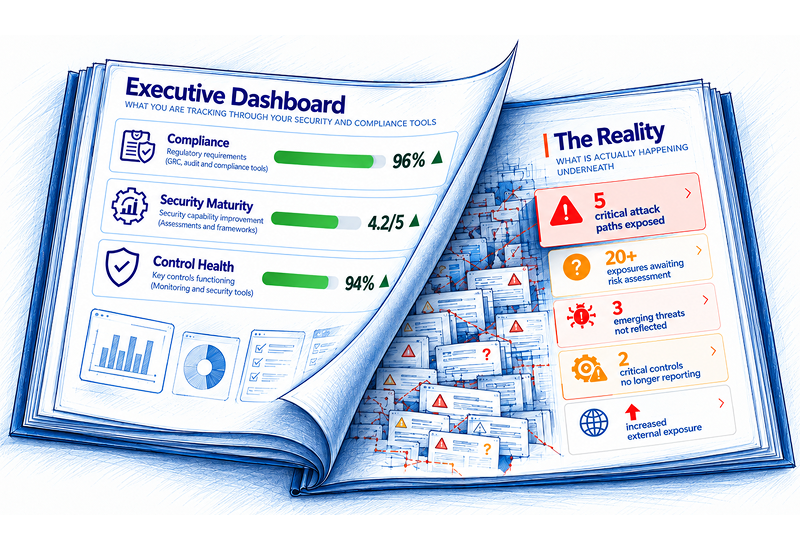
Why Green Security Dashboards Don’t Mean Lower Risk

Learn how compliance, security maturity, and continuously assessed business risk must work together to drive better security decisions. Compliance, security maturity, and risk assessment are three essential pillars of enterprise cybersecurity. Compliance measures adherence to defined requirements. Security maturity assesses organizational capabilities and opportunities for improvement. Risk assessment evaluates business exposure and the potential consequences of threats, considering existing safeguards. Yet an enterprise can achieve 96%...
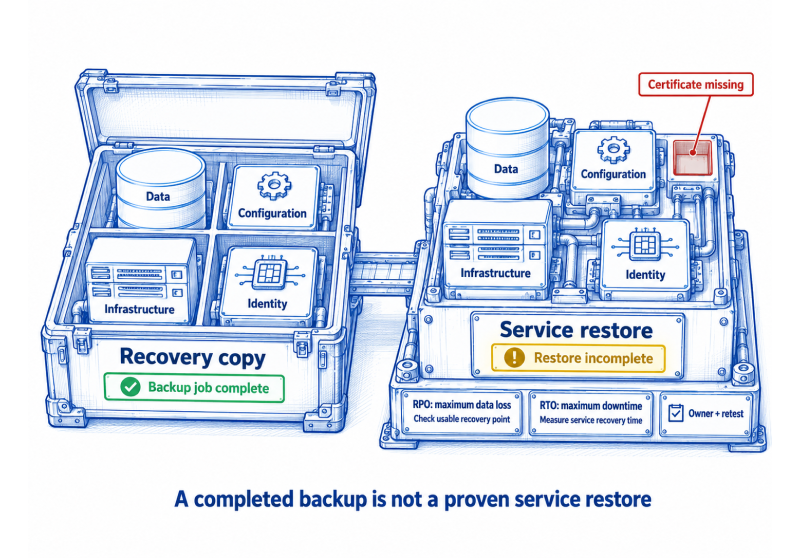
Backup Checklist in 2026: Verify Recovery for Security and Compliance Teams

A successful backup job does not prove that a service can be restored. Use this checklist to define recovery coverage, set RPO and RTO targets, protect recovery copies and verify...
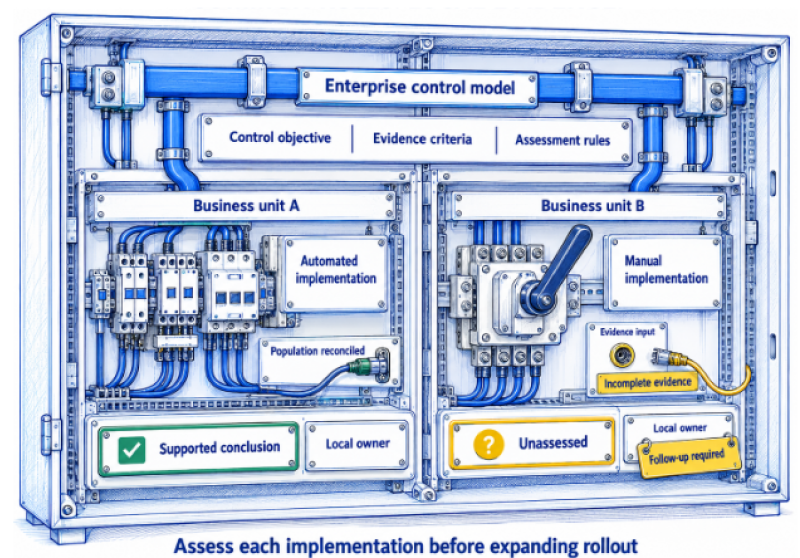
How to Roll Out Enterprise GRC: Prove the Model Before You Scale

Enterprise GRC needs consistent assessments across business units while preserving local responsibilities and obligations. Establish clear ownership, reliable evidence and a complete pilot control cycle before expanding, so each rollout...
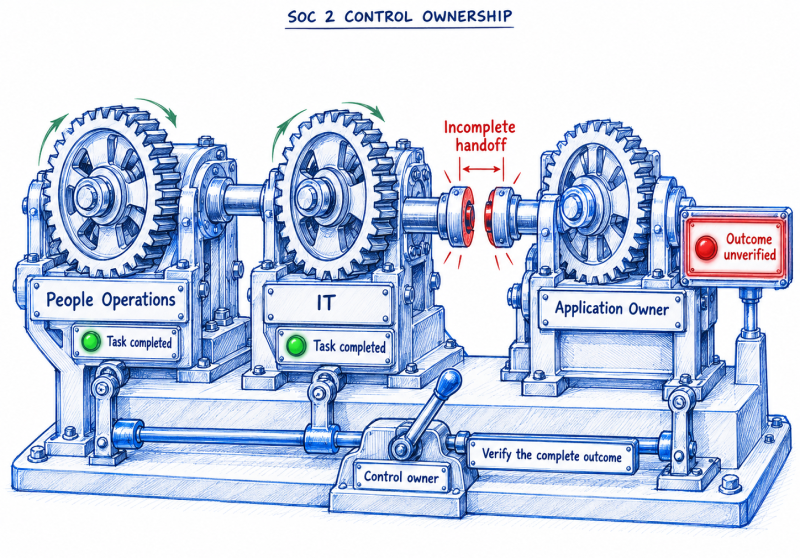
SOC 2 Control Ownership: Define Clear Roles and Validate Evidence Without a CISO
Build a practical SOC 2 control list with clear owners, reliable evidence and complete handoffs across teams. Learn how to manage responsibilities without a CISO, address missed controls and verify...
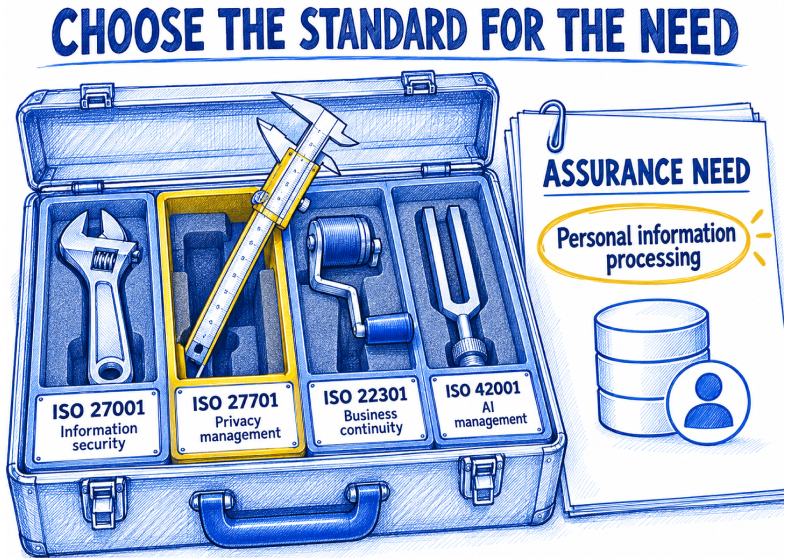
ISO Security Standards in 2026: Which Ones Matter for Your Organization?
Choose ISO security standards based on your business needs, responsibilities and the assurance stakeholders expect. Compare security, privacy, cloud, continuity and AI standards, and understand where certification, guidance and shared...
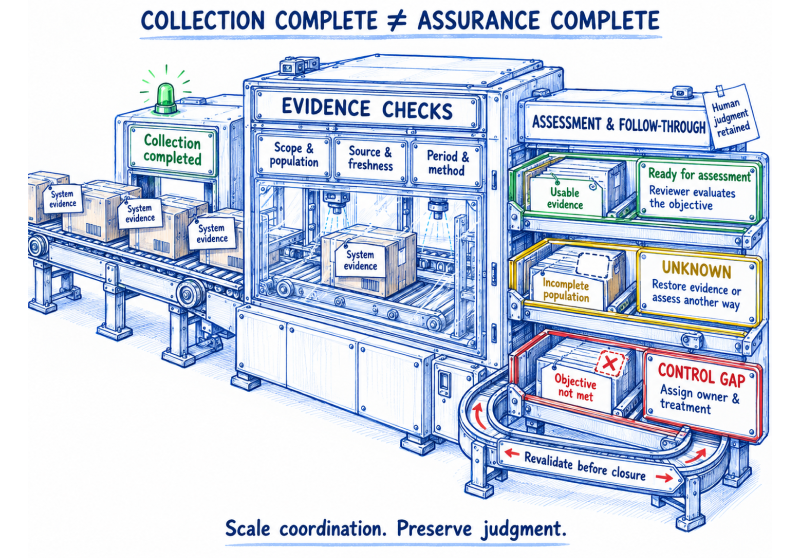
How Lean GRC Teams Can Scale Compliance Without Adding Headcount
Help lean GRC teams support growing compliance demands with clear ownership, reliable evidence and selective automation. Reduce repeated follow-up, keep exceptions visible and verify remediation while measuring whether the team...
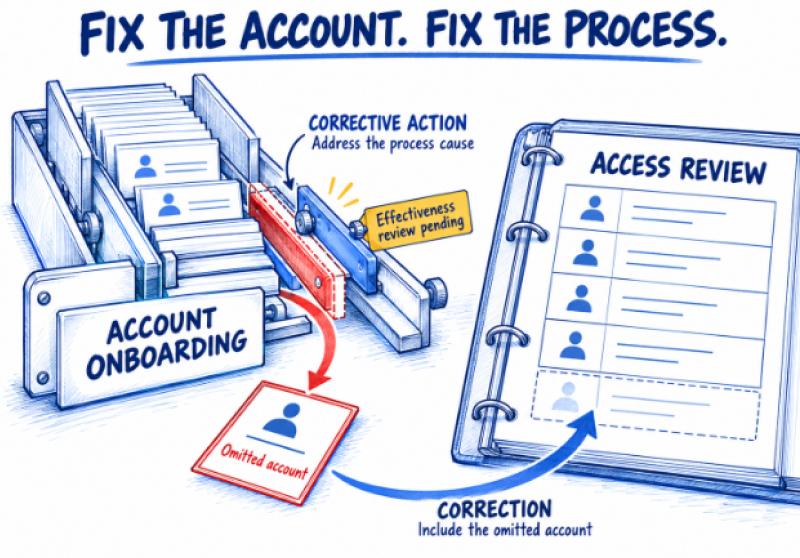
ISO 27001 Certification in 2026: A Practical Readiness Guide
Prepare for ISO 27001 certification with a clear scope, traceable evidence and accountable control owners. Understand the audit stages, timeline and cost factors, and what it takes to maintain your...
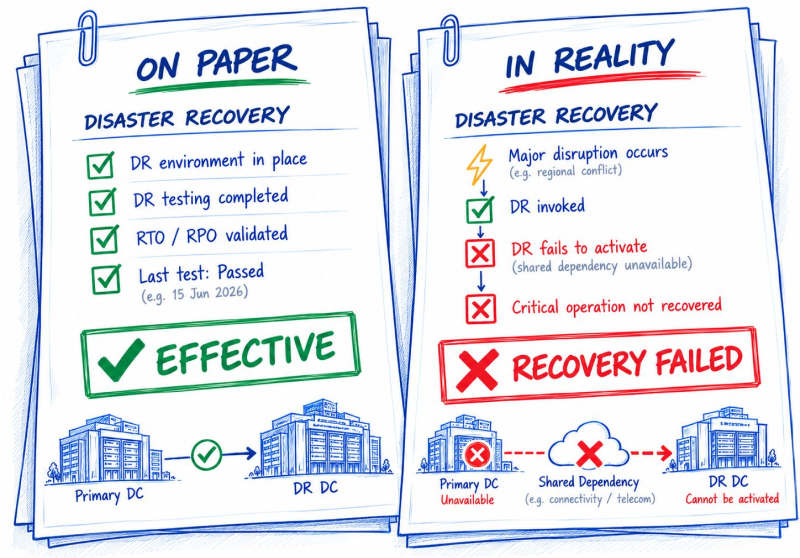
CBUAE Cybersecurity Compliance Checklist 2026: 10 Actions for CISOs

The Central Bank of the UAE (CBUAE) Operational Risk Management Regulation C 1/2026, effective from 14 September 2026, introduces important ICT and cybersecurity requirements for Licensed Financial Institutions. It requires...
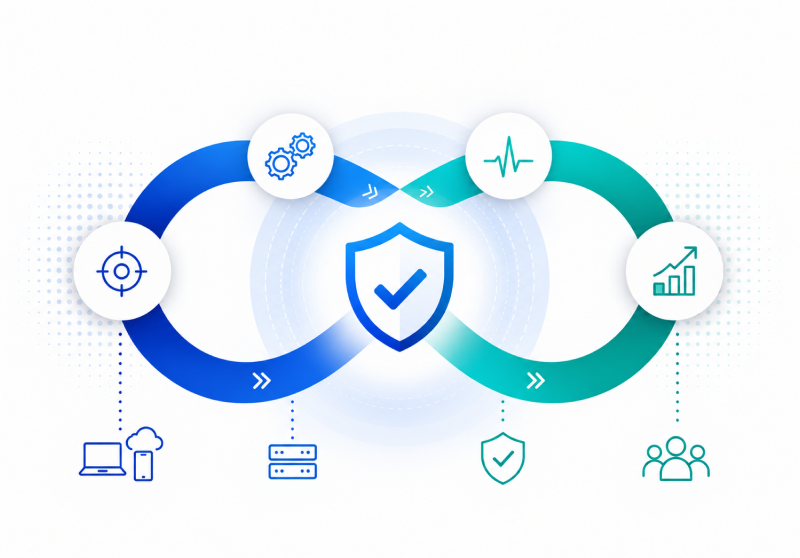
What Is Continuous Assurance in Cybersecurity?
Organizations invest heavily in security tools, compliance programs, and risk management processes. Yet many security leaders still struggle to answer a simple question: How do we know our controls are...

Why Compliance Doesn’t Equal Resilience

Introduction — When the Cloud Shakes, Compliance Crumbles When AWS’s US-east-1 region went dark, so did thousands of companies. These weren’t reckless startups or poorly managed systems; they were organizations...
Understanding RBI’s FREE-AI Framework – India’s Blueprint for Ethical AI Governance
Introduction There are two sides to a coin and AI is no exception. AI’s versatility is what makes it useful across a vast array of use cases. And yet, it...
DPDP Act & Rules 2025: The Compliance Readiness Checklist
As India accelerates toward becoming a digital-first economy, regulatory frameworks are increasingly shaping how enterprises manage data, AI, and security operations. At the heart of this transformation lies the Digital...
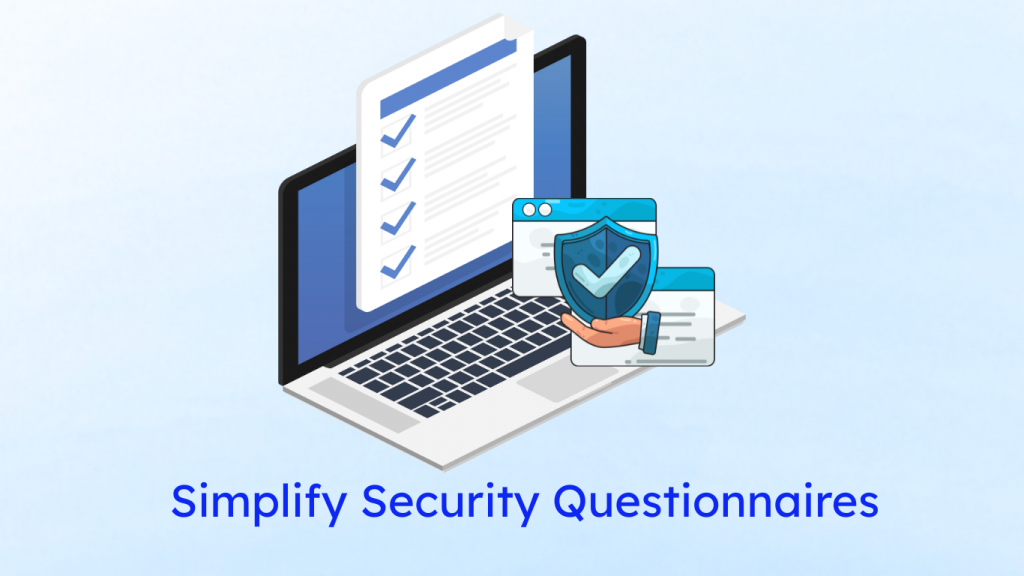
Automating Security Questionnaires: How to Streamline Third-Party Risk Assessments
Third-party vendors play a critical role in modern business operations, but they also expand exposure to unpredictable risks. These risks often do not come under the enterprise purview and hence...