Featured
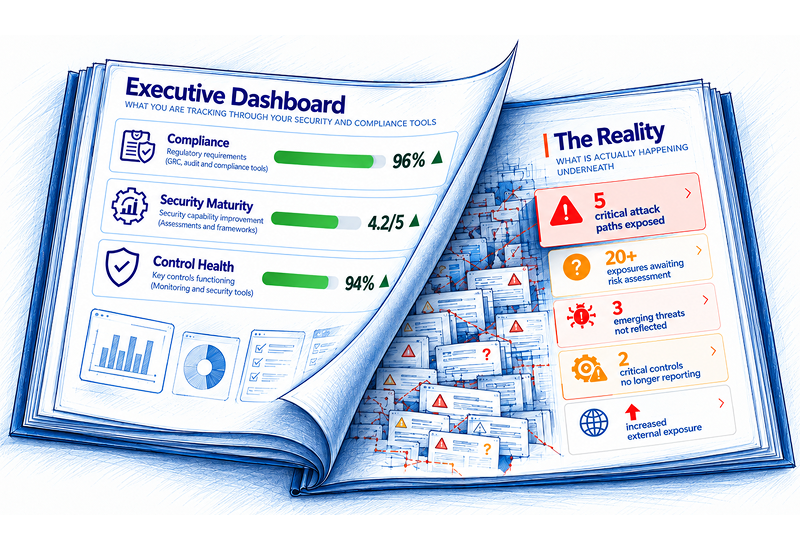
Why Green Security Dashboards Don’t Mean Lower Risk

Learn how compliance, security maturity, and continuously assessed business risk must work together to drive better security decisions. Compliance, security maturity, and risk assessment are three essential pillars of enterprise cybersecurity. Compliance measures adherence to defined requirements. Security maturity assesses organizational capabilities and opportunities for improvement. Risk assessment evaluates business exposure and the potential consequences of threats, considering existing safeguards. Yet an enterprise can achieve 96%...
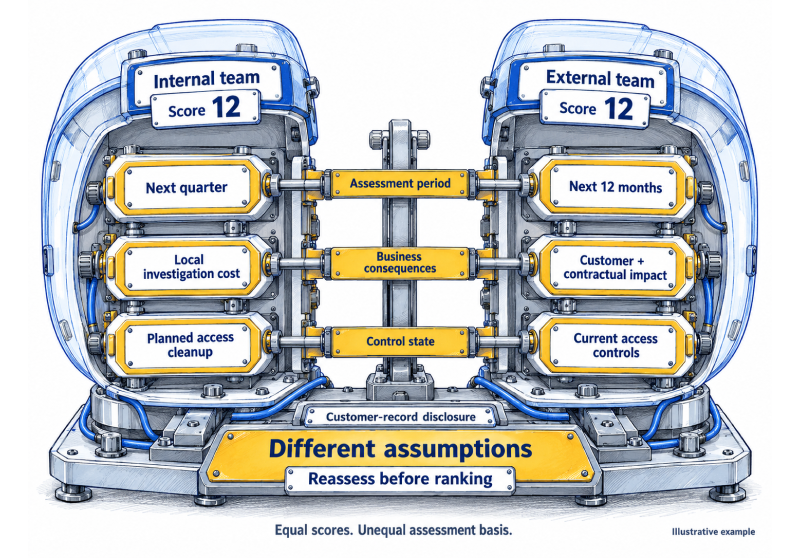
Risk Scoring in 2026: Make Internal and External Risks Comparable Across Teams

Learn how to calculate risk scores, reconcile conflicting ratings and compare internal failures with external threats without distorting management priorities. The method aligns scenarios, time horizons, impact criteria, control assumptions...

CERT-In’s 12-Hour Remediation Window: Why Faster Patching Is Not Enough

CERT-In’s 2026 vulnerability remediation guidance challenges how enterprises manage cyber exposure. Meeting shorter remediation windows requires continuous exposure intelligence, faster decisions, and verified risk reduction, not simply faster patch deployment....
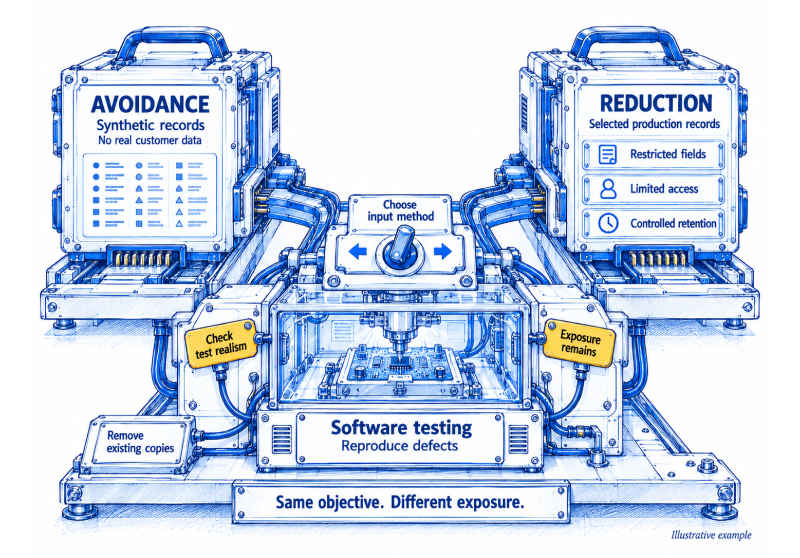
Risk Avoidance vs Risk Reduction in 2026: Choosing the Right Business Response

Measure whether decisions improve Track time from an escalation trigger to acknowledgment by an authorized responder. Measure incomplete handoffs as a proportion of all reviewed handoffs. Separately track containment actions...
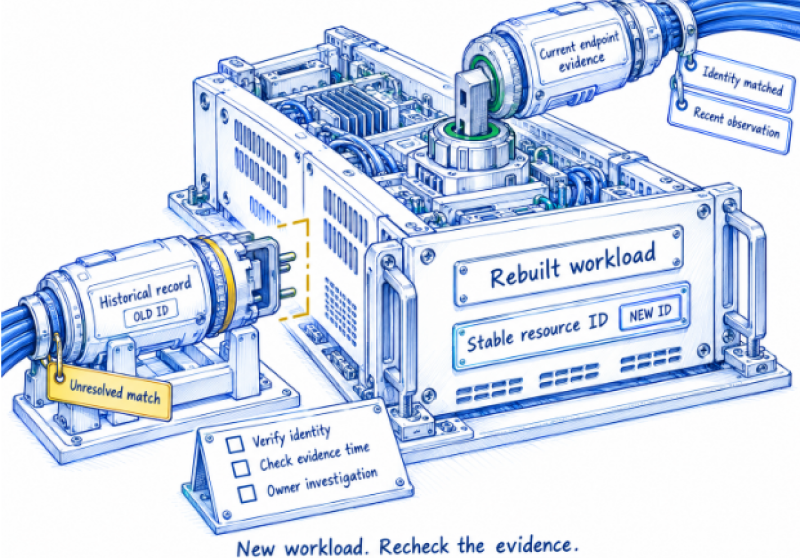
CAASM: Make Asset Visibility Useful for Security Decisions and Responses
Cyber Asset Attack Surface Management connects fragmented asset records so teams can investigate exposure and security coverage. Its value depends on explainable matching, current evidence and decisions that reach an...
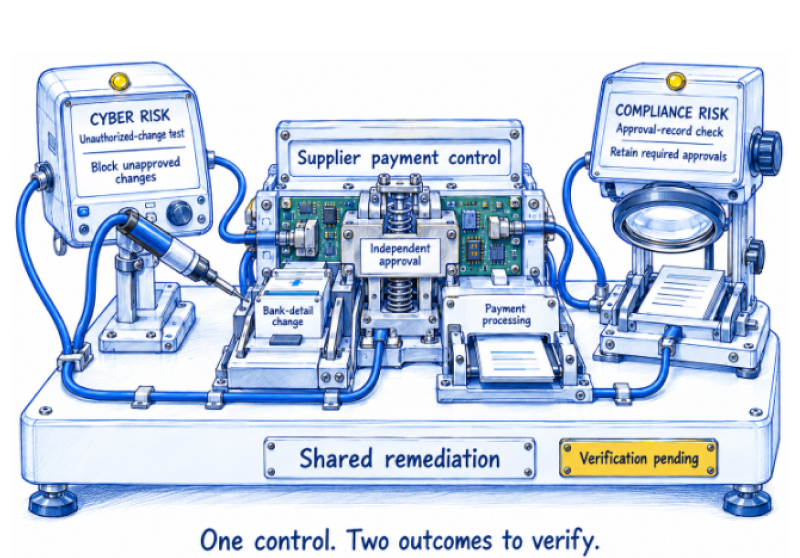
Cyber Risk and Compliance Risk: Decide What Needs Action
Cyber risk and compliance risk can share the same control weakness while requiring different decisions. Learn how mid-market teams can assess business harm and applicable obligations together, coordinate corrective action...
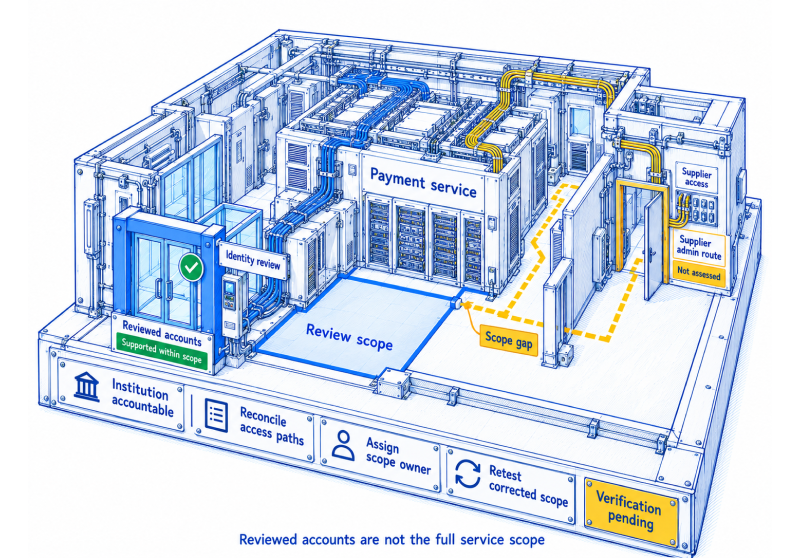
Financial Services Compliance: Can Your Evidence Support the Decision?
Financial services compliance needs evidence that supports decisions about critical services. Learn how to define control scope, assess supplier evidence, expose uncertainty and verify remediation while keeping institutional accountability clear....
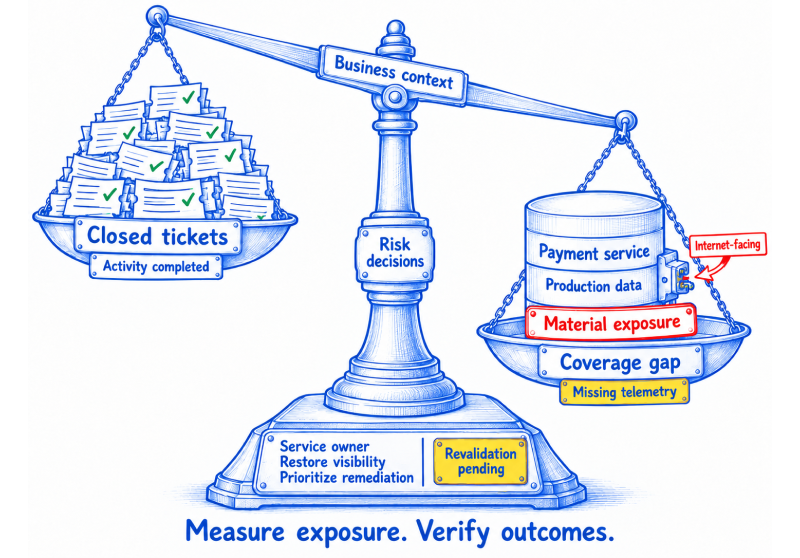
Cybersecurity Metrics in 2026: Link Control Evidence to Better Risk Decisions
Useful cybersecurity metrics show where material exposure remains, who needs to act and whether corrective work reduced the risk. Learn how to define populations, keep exceptions visible and connect control...
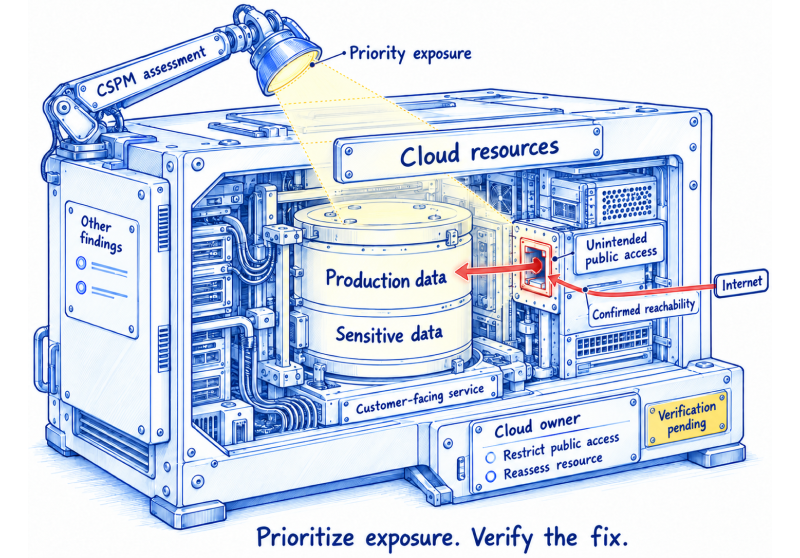
Cloud Security Posture Management: Find and Fix What Matters
Cloud security posture management helps teams find configuration gaps and understand which exposures matter most. Learn how to establish coverage, prioritize findings, assign owners and verify that remediation restores the...
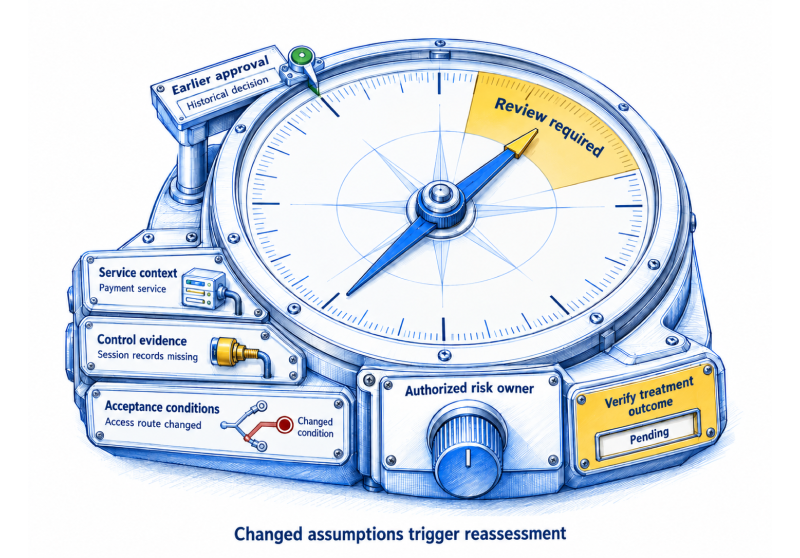
Enterprise GRC in 2026: Connect Cyber Risk, Evidence and Accountable Decisions
Effective enterprise GRC connects cyber risk to business services, current control evidence and accountable owners. Learn how to reassess decisions when conditions change, manage exceptions and verify treatment outcomes. A...
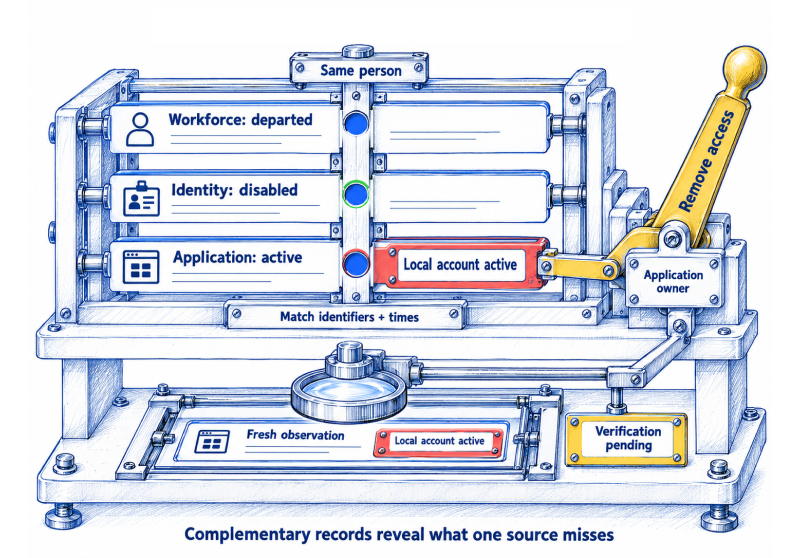
Compliance Automation: Make Your Integrations Count for Trusted Control Evidence
Integrations connect cloud, identity, endpoint and business systems to automate evidence collection and coordinate compliance workflows. They reduce repeated requests, support control assessments and route exceptions to accountable owners. The...
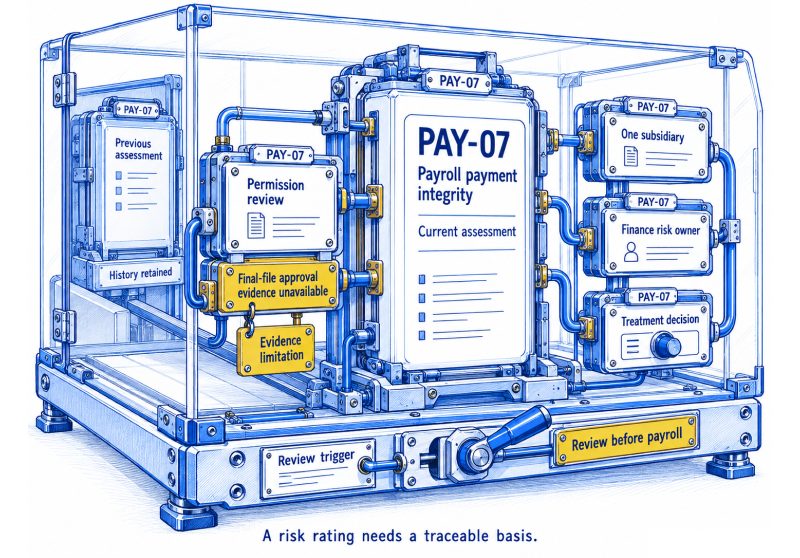
Build a Risk Register in 2026 With Clear Evidence and Traceable Business Decisions
A risk rating needs a clear basis and a record of the decision behind it. Build risk entries that connect business scenarios with evidence, ownership and review triggers, keeping current...
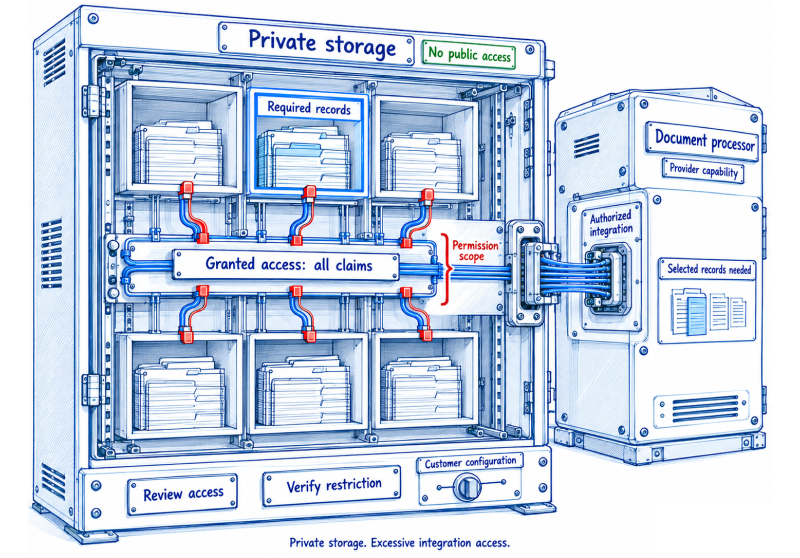
Cloud Risk Management in 2026: Map Ownership Across Services and Dependencies
Cloud risk extends beyond configuration settings. Map identity access, data flows and provider responsibilities across connected services to identify hidden exposure, assign ownership and test whether recovery dependencies hold up....