← Back to Blog

Security Maturity

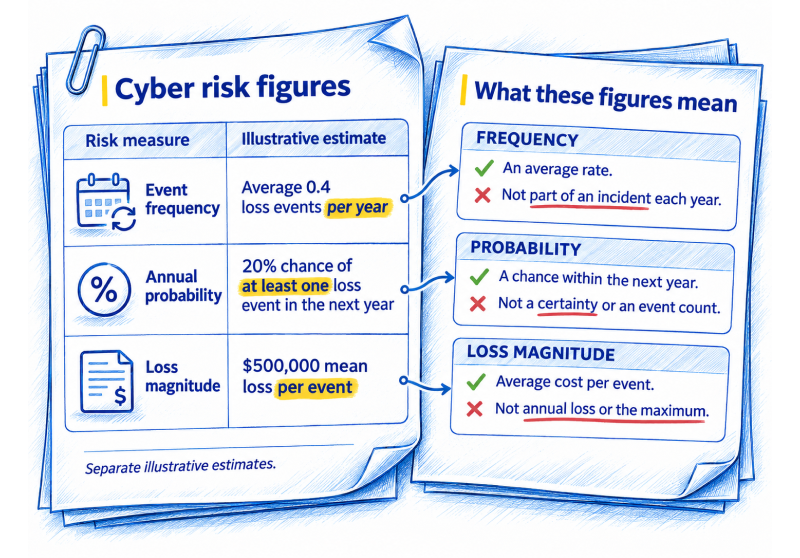
Getting Started With Cyber Risk Quantification: Key Concepts Explained

Getting Started With Cyber Risk Quantification: Key Concepts Explained

Cyber risk quantification expresses possible cyber losses in numerical terms, often money, for a defined scenario and period. Understanding its vocabulary helps readers distinguish event frequency from probability, loss per...

Categories: Frameworks, GRC, Security Maturity
How Fintech Startups Build Enterprise-Ready Information Security

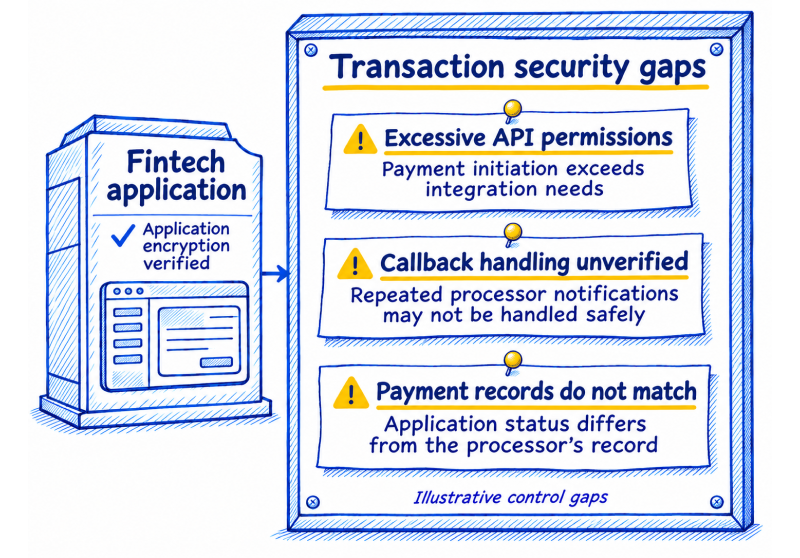
How Fintech Startups Build Enterprise-Ready Information Security

Fintech startup security must protect money, identity and financial data across live workflows enterprise buyers depend on. A credible InfoSec posture secures transaction paths, governs partner boundaries and detects failures....

Categories: GRC, IT & Operations, Security Maturity
How to Select the Right Enterprise Cyber Risk Quantification Method

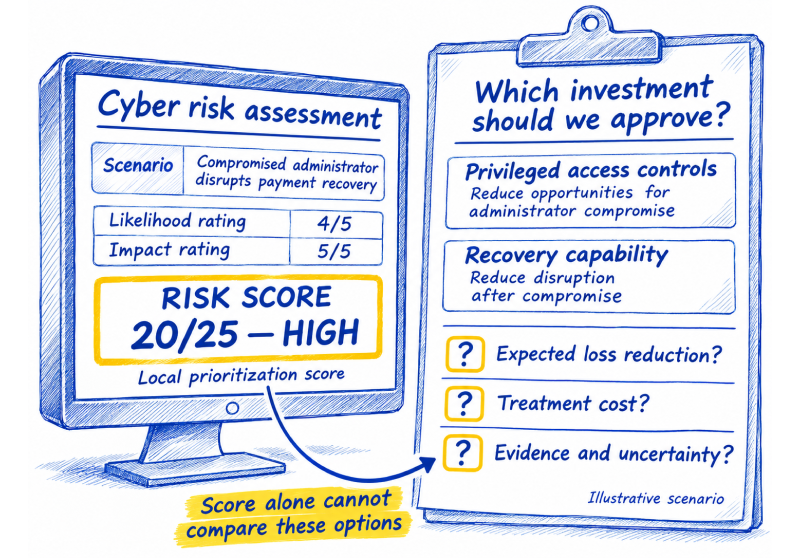
How to Select the Right Enterprise Cyber Risk Quantification Method

The right cyber risk quantification method is the one that produces evidence a decision-maker can use without implying more certainty than the inputs support. Start with the decision and required...

Categories: Exposure Management, GRC, Security Maturity
Critical vs. High-Risk Vendors: Separate Business Impact from Risk

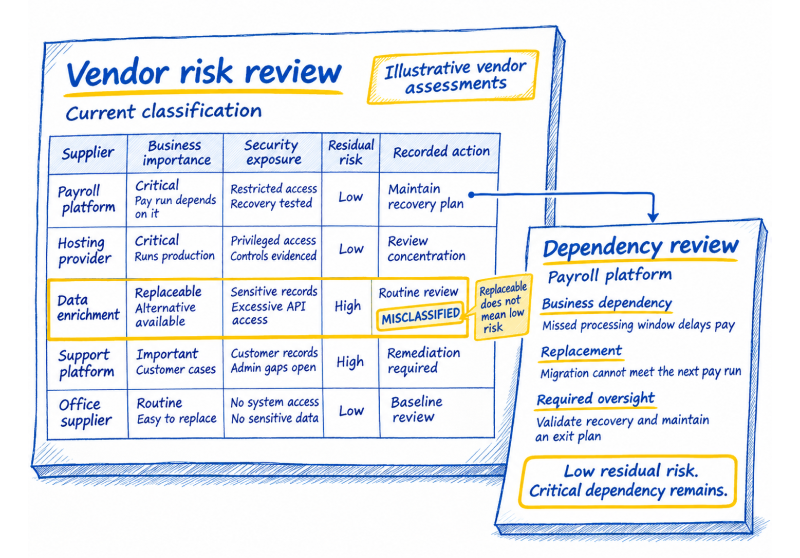
Critical vs. High-Risk Vendors: Separate Business Impact from Risk

Vendor criticality and vendor risk answer different questions: what breaks if a relationship fails, and how much exposure or control weakness exists in that relationship? Treating them as one rating...

Categories: GRC, IT & Operations, Security Maturity
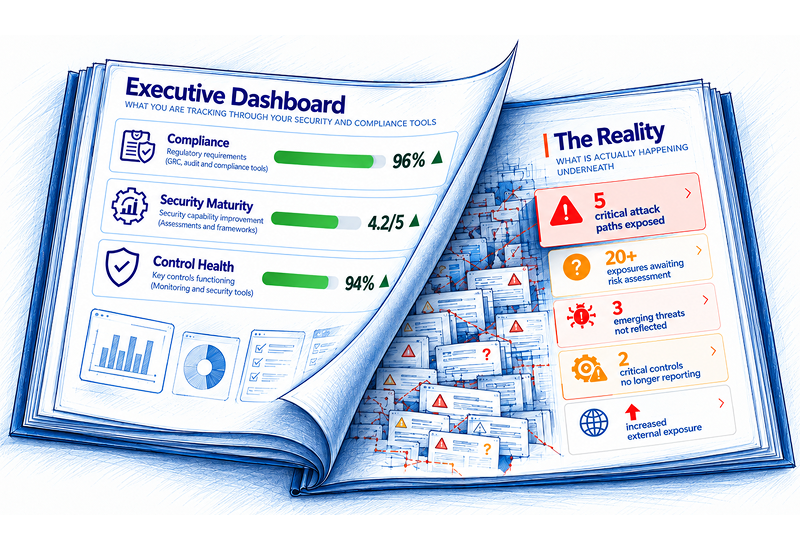
Why Green Security Dashboards Don’t Mean Lower Risk

Why Green Security Dashboards Don’t Mean Lower Risk

Learn how compliance, security maturity, and continuously assessed business risk must work together to drive better security decisions. Compliance, security maturity, and risk assessment are three essential pillars of enterprise...

Categories: Security Maturity