Featured
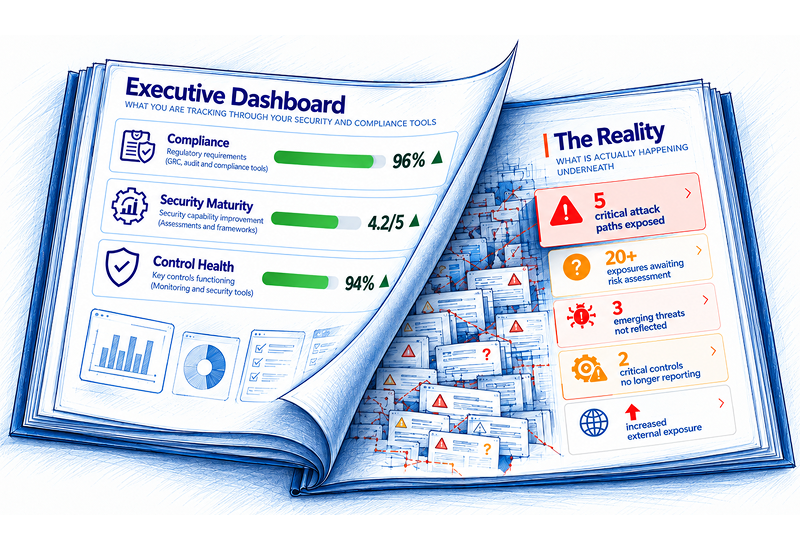
Why Green Security Dashboards Don’t Mean Lower Risk

Learn how compliance, security maturity, and continuously assessed business risk must work together to drive better security decisions. Compliance, security maturity, and risk assessment are three essential pillars of enterprise cybersecurity. Compliance measures adherence to defined requirements. Security maturity assesses organizational capabilities and opportunities for improvement. Risk assessment evaluates business exposure and the potential consequences of threats, considering existing safeguards. Yet an enterprise can achieve 96%...
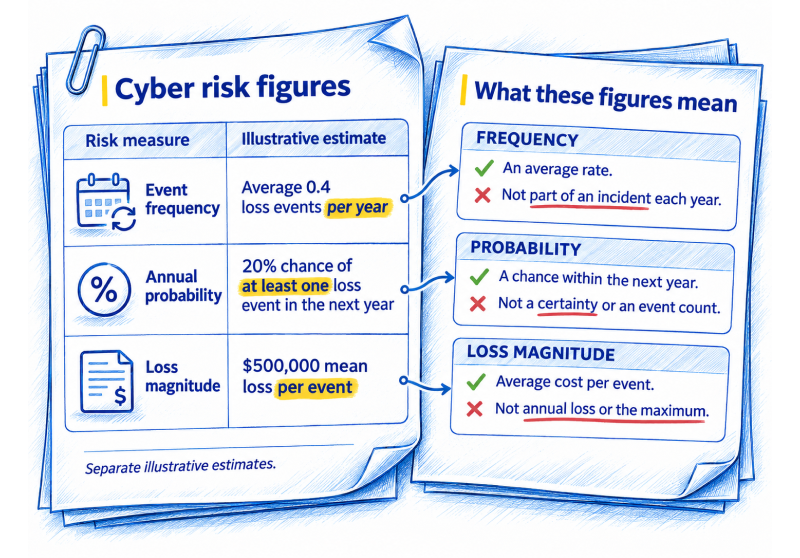
Getting Started With Cyber Risk Quantification: Key Concepts Explained

Cyber risk quantification expresses possible cyber losses in numerical terms, often money, for a defined scenario and period. Understanding its vocabulary helps readers distinguish event frequency from probability, loss per...
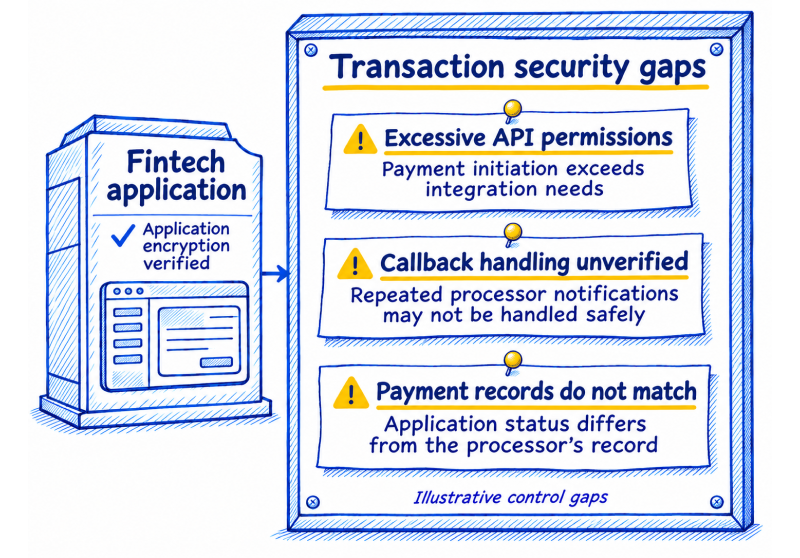
How Fintech Startups Build Enterprise-Ready Information Security
Fintech startup security must protect money, identity and financial data across live workflows enterprise buyers depend on. A credible InfoSec posture secures transaction paths, governs partner boundaries and detects failures....
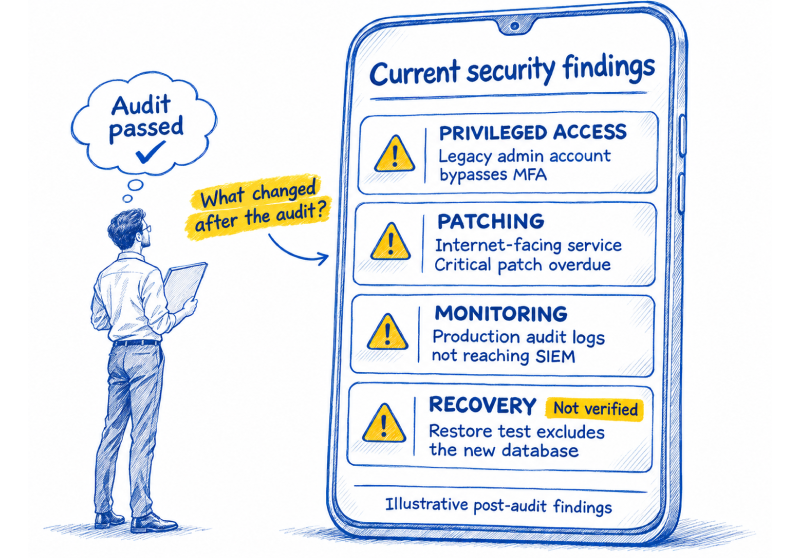
Prevent Cyberattacks by Balancing Enterprise Security and Compliance

Balancing security and compliance to prevent cyberattacks requires more than passing an audit or buying another security tool. A cybersecurity compliance program defines obligations and evidence; security testing determines whether...
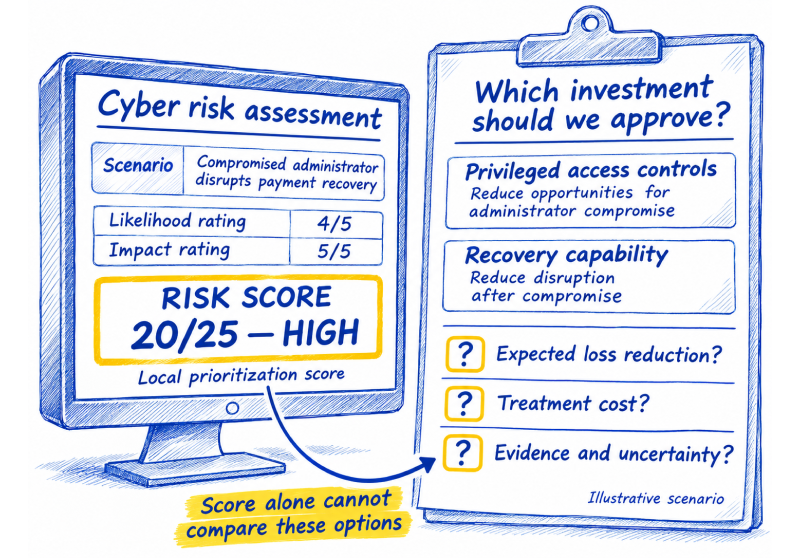
How to Select the Right Enterprise Cyber Risk Quantification Method
The right cyber risk quantification method is the one that produces evidence a decision-maker can use without implying more certainty than the inputs support. Start with the decision and required...
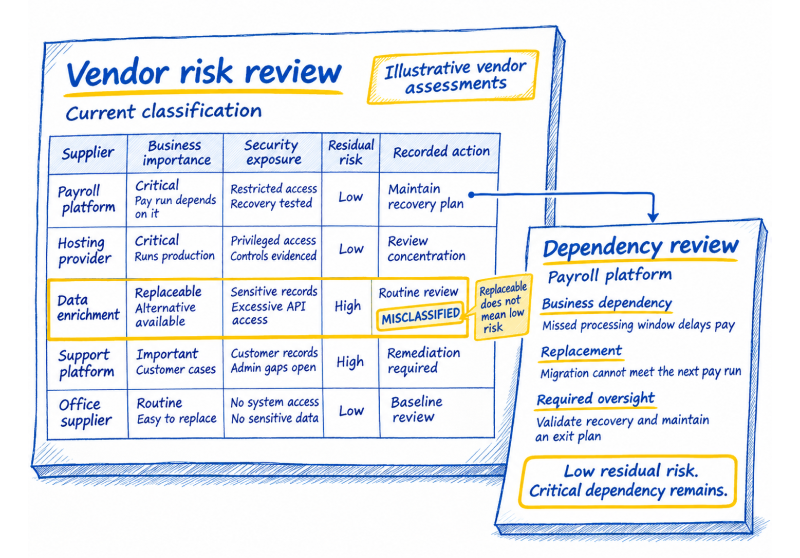
Critical vs. High-Risk Vendors: Separate Business Impact from Risk
Vendor criticality and vendor risk answer different questions: what breaks if a relationship fails, and how much exposure or control weakness exists in that relationship? Treating them as one rating...
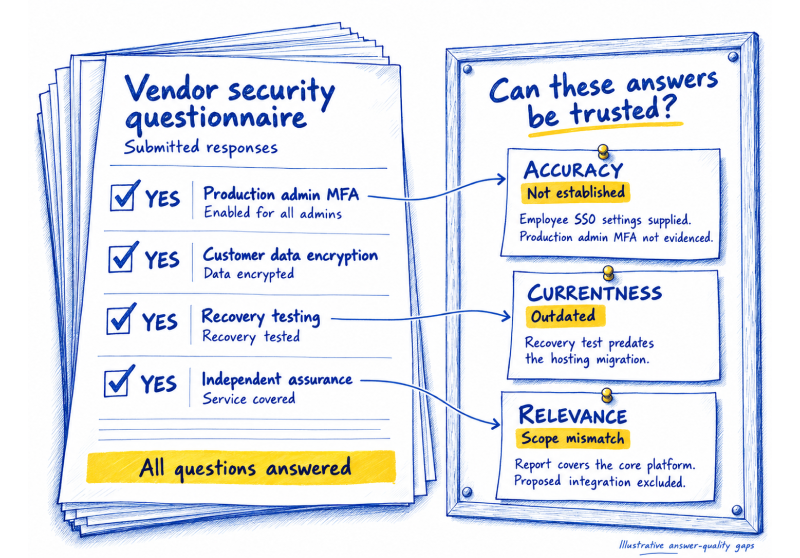
Security Questionnaires: Respond with Accurate, Verifiable Answers
Security questionnaires help buyers understand how a supplier protects the data, systems and services involved in a proposed relationship. Reliable responses define where controls apply, provide current supporting evidence and...
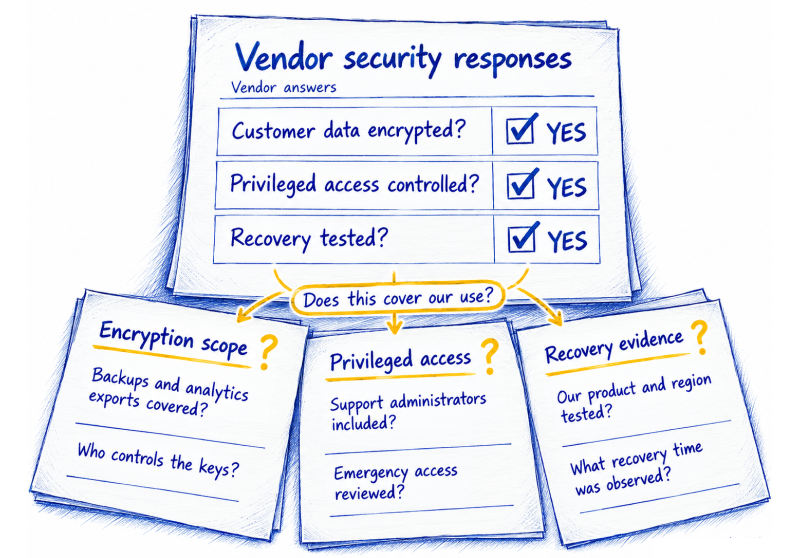
Vendor Cybersecurity Questions That Test Scope, Evidence and Exposure
A vendor cybersecurity inquiry should establish what the supplier will do, which data and systems it can access, and how the business depends on its services. Ask targeted questions, request...
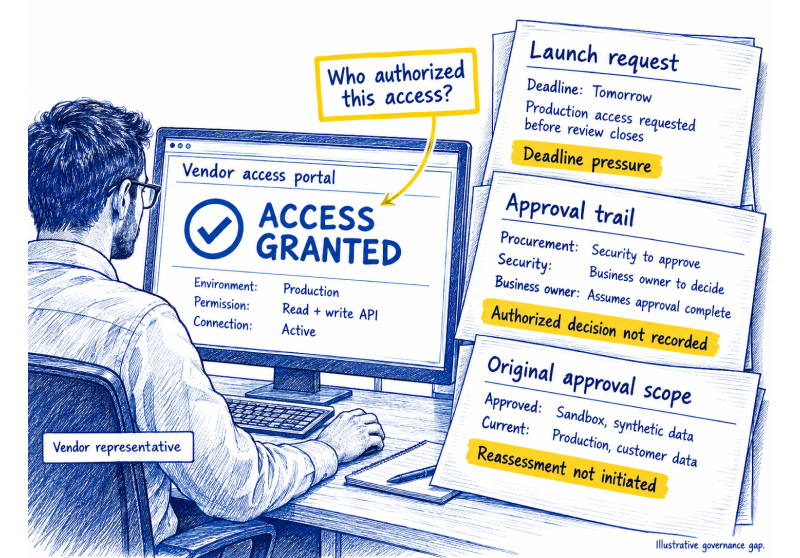
Why Your Vendor Management Policy Must Guide Decisions Through Change
A vendor management policy sets the rules for approving suppliers, accepting exceptions and responding when relationships change. This guide explains how to define decision authority, approval conditions, reassessment triggers and...
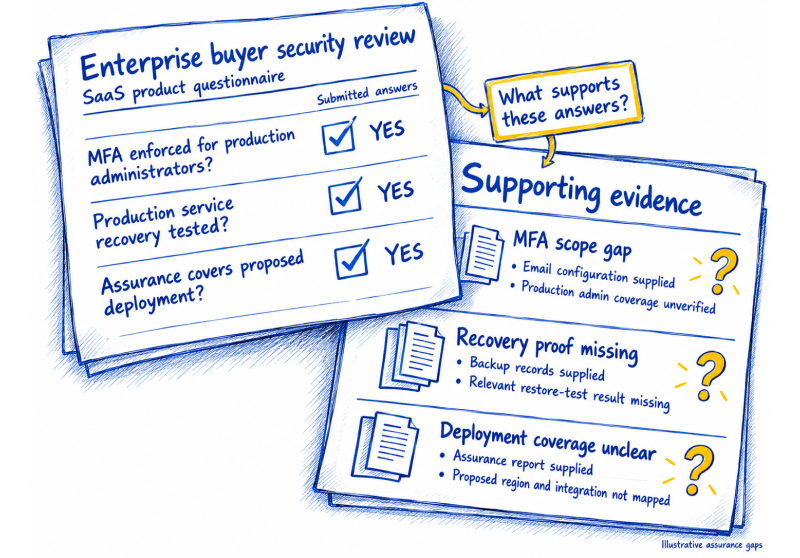
SaaS Startup Security Readiness: Prove What Enterprise Buyers Expect
Enterprise buyers expect SaaS startups to demonstrate how they protect customer data, identities, and business operations not just present policies or certifications. This article explores how startups can build security...
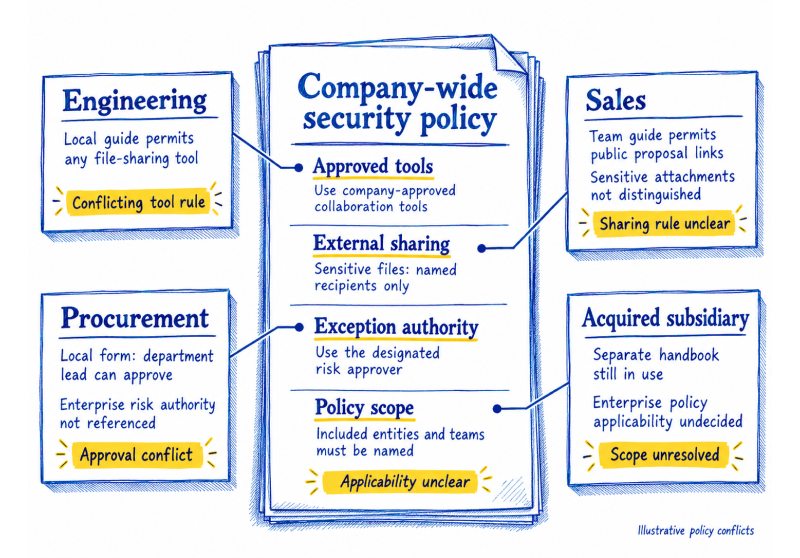
Designing a Company-Wide Information Security Policy for Every Team
A company-wide information security policy gives people clear expectations for protecting the organization’s information, systems, and operations. Its scope should fit how the business works across teams, locations, cloud environments,...
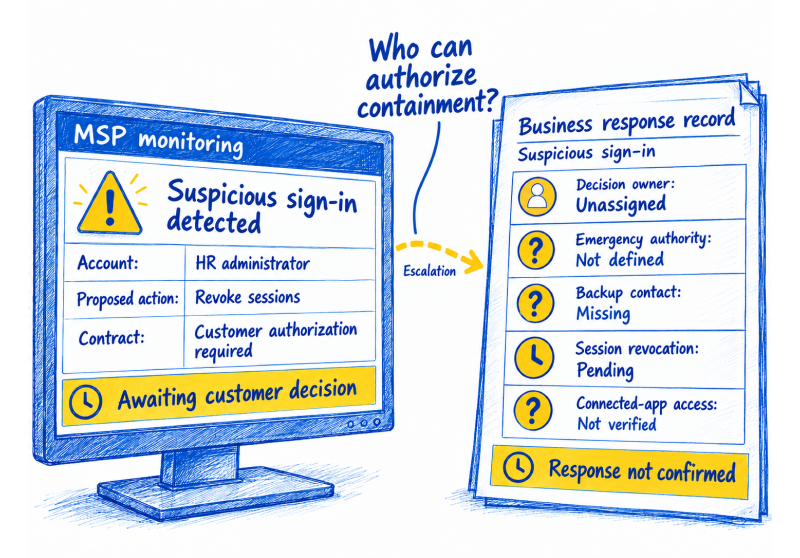
Who Owns Cyber Risk in a Small Business? Clarify Roles and Decisions
Cybersecurity responsibilities for small businesses span employees, IT staff, managed providers, and cloud vendors. Risk appears where their duties meet.Name who decides, who acts, and who verifies the outcome.Keep those...
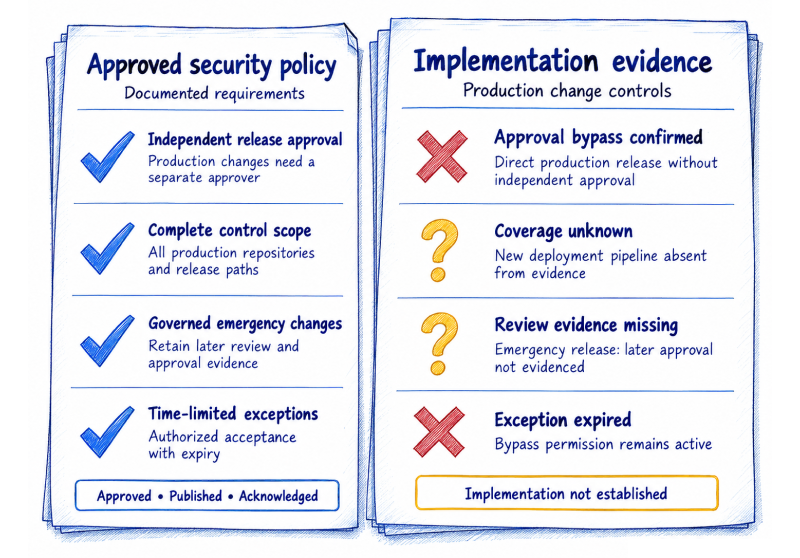
Cybersecurity Policy Management That Connects Rules to Real Controls
Cybersecurity policy management works when approved rules stay connected to accountable decisions, controls and current evidence. A policy library alone cannot show whether teams can apply a rule, whether systems...