Featured
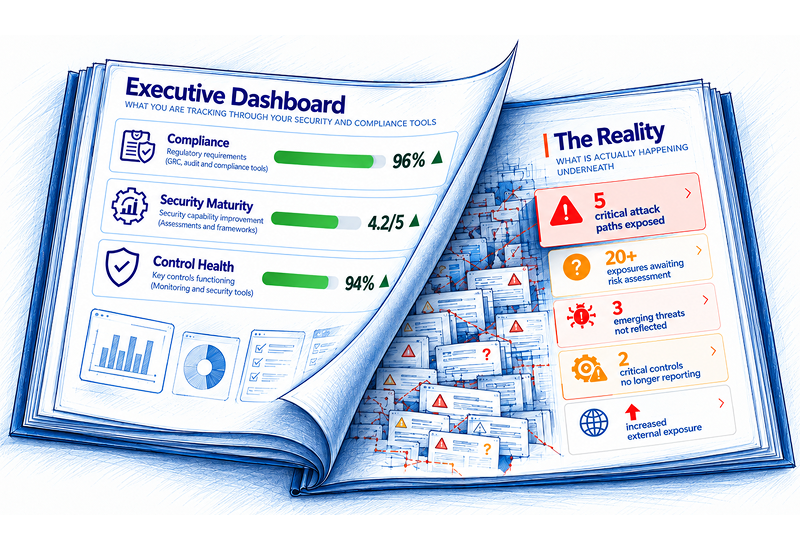
Why Green Security Dashboards Don’t Mean Lower Risk

Learn how compliance, security maturity, and continuously assessed business risk must work together to drive better security decisions. Compliance, security maturity, and risk assessment are three essential pillars of enterprise cybersecurity. Compliance measures adherence to defined requirements. Security maturity assesses organizational capabilities and opportunities for improvement. Risk assessment evaluates business exposure and the potential consequences of threats, considering existing safeguards. Yet an enterprise can achieve 96%...
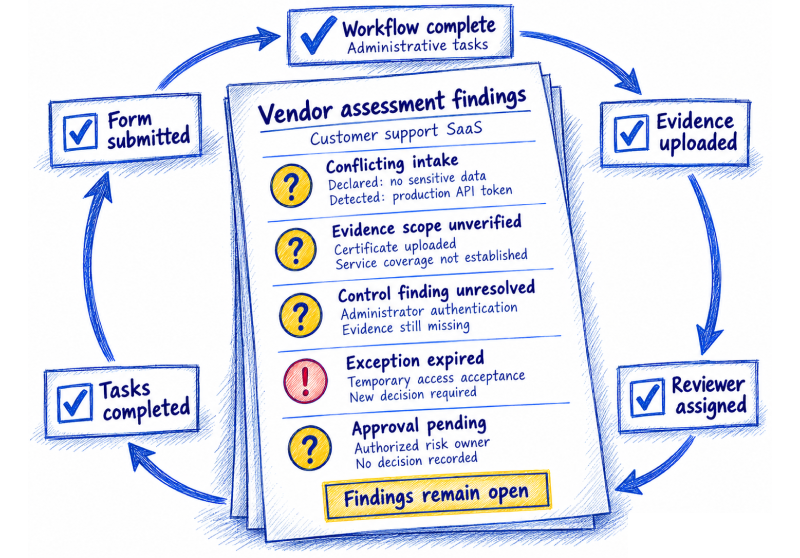
Automate Vendor Risk Assessments With Guardrails for Better Decisions

Automating vendor risk assessments should remove delay without turning a completed form into an approval. Routes each relationship appropriately, checks evidence quality and keeps risk decisions with accountable people. Keep...
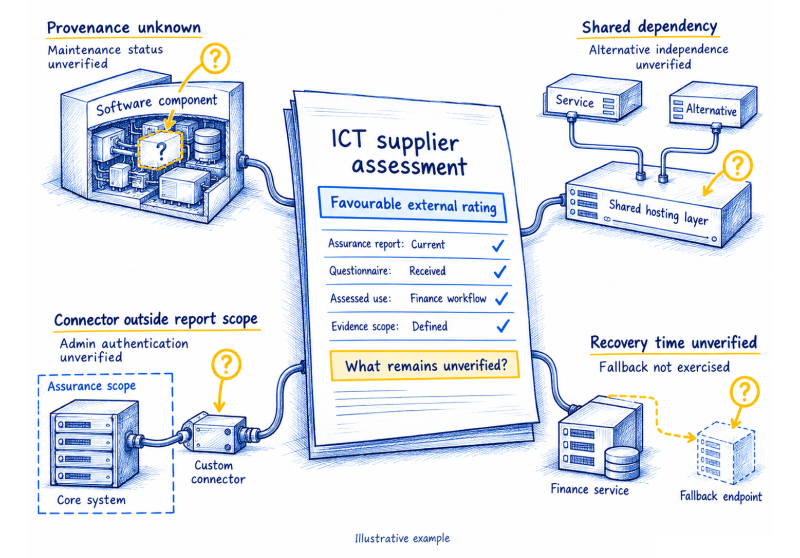
ICT Supplier Due Diligence Measures Risk Beyond Security Ratings Alone

ICT supplier due diligence helps organizations assess technology dependencies, validate assurance evidence and identify uncertainty before making risk decisions. This guide applies five due-diligence lenses to the intended use, separates...
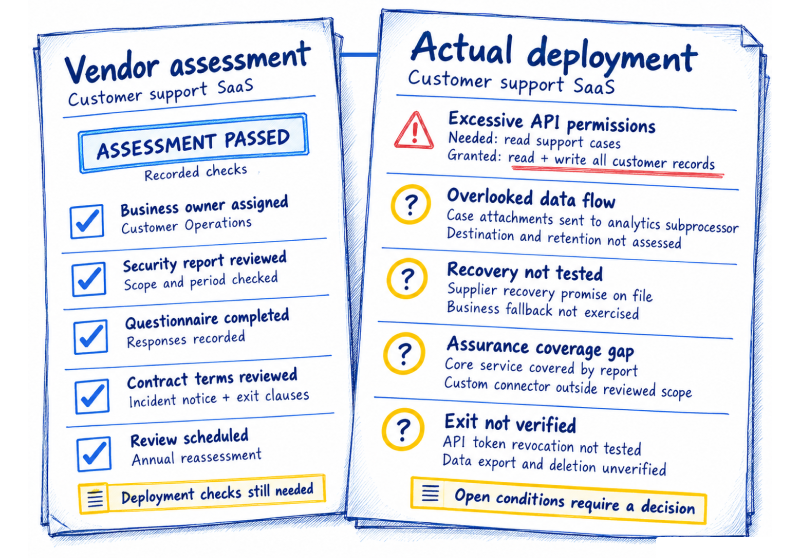
Vendor Risk Management: Govern Supplier Access, Data and Dependencies
Vendor risk management helps organizations govern supplier relationships from initial assessment through verified exit. Effective oversight connects each supplier’s business role, data access and operational dependencies to proportionate checks, clear...
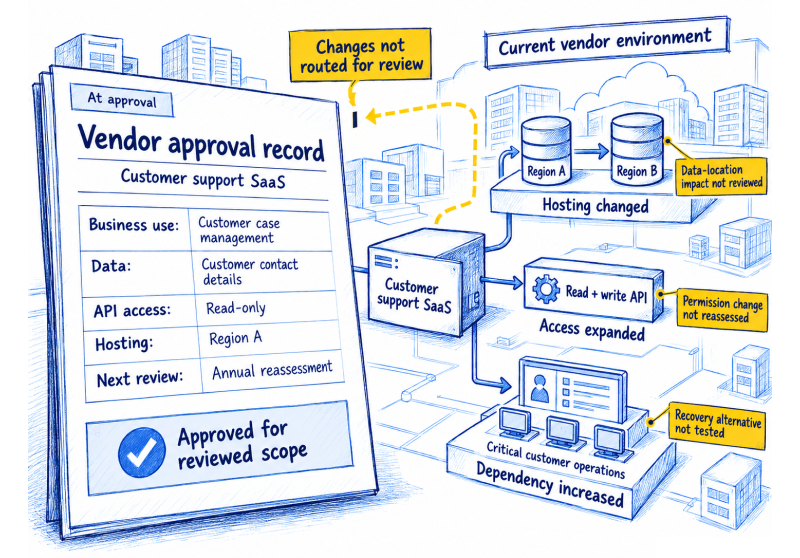
Vendor Risk Management Maturity Model for Stronger Oversight
Vendor risk management maturity measures how reliably an organization identifies supplier dependencies, makes proportionate risk decisions and revisits them as conditions change. This guide provides four maturity states, six capabilities...
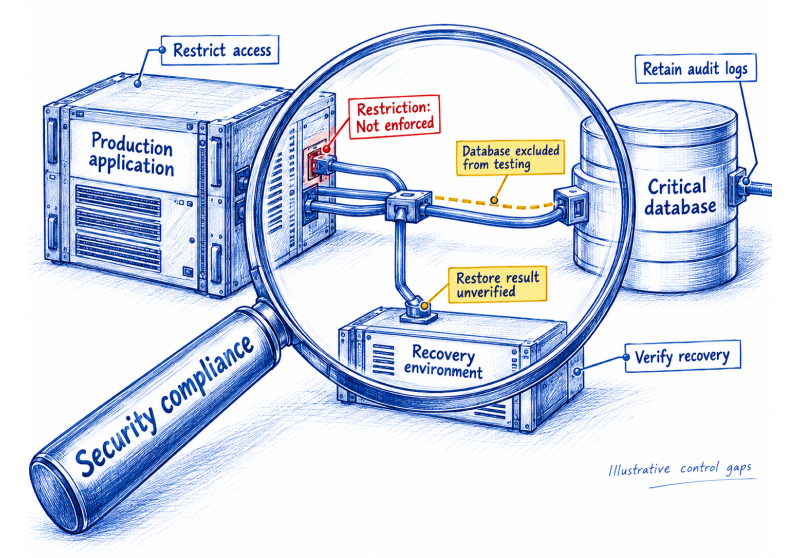
Security Compliance That Connects Regulatory Duties to Real Protection
Security compliance connects applicable requirements with safeguards that protect systems, information, and business operations. A useful program establishes which duties apply, assigns control ownership, and tests whether safeguards work across...
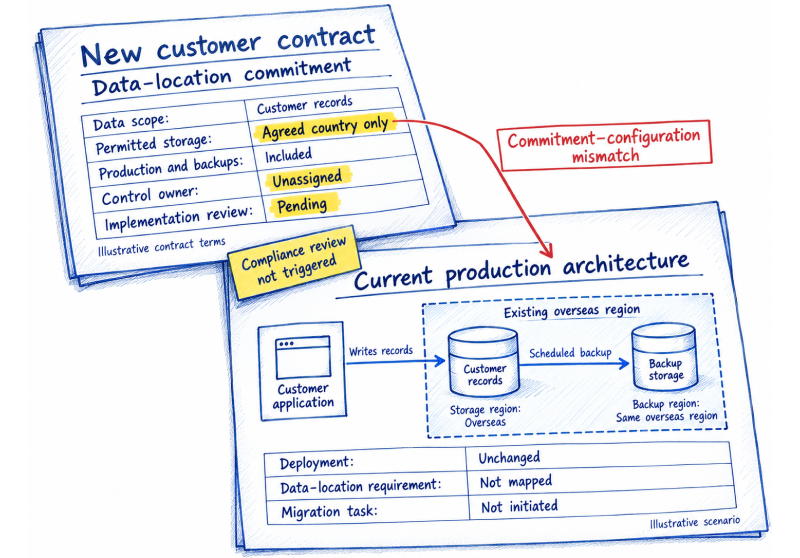
Compliance Scope Triggers for Fast-Growing Companies During Expansion
Fast-growing companies face compliance challenges when new markets, products, suppliers, and customer commitments outpace existing controls. A compliance scope review helps teams identify which obligations may change, what parts of...
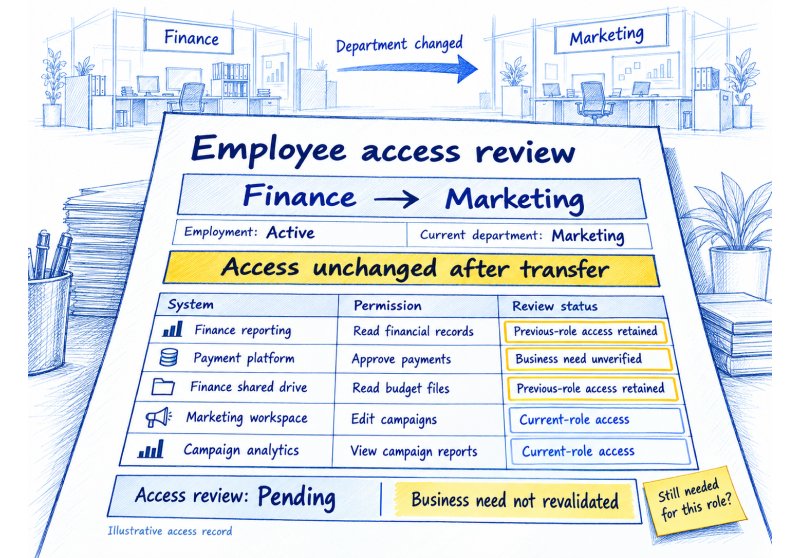
Access Reviews With Verified Coverage Decisions and Effective Closure
Access reviews are easy to schedule and surprisingly easy to get wrong. A clean approval report can still miss direct application accounts, privilege inherited through groups, or removals that never...
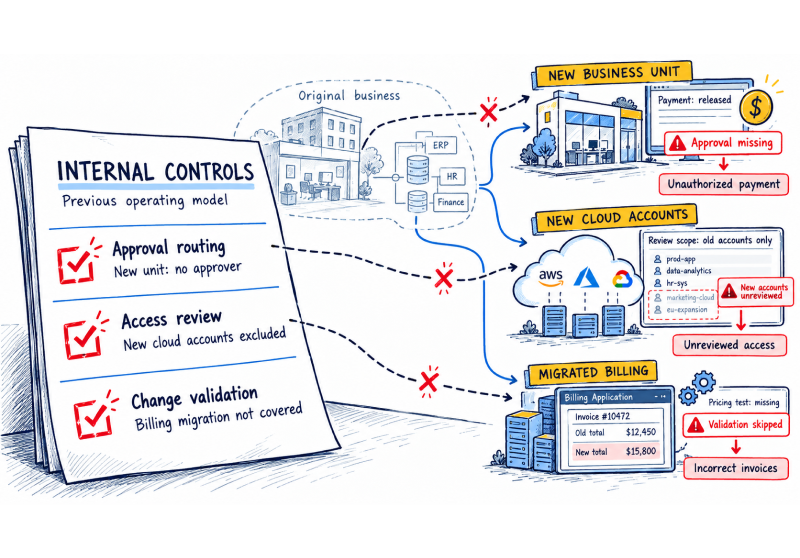
Why Internal Controls Matter as Organizations Grow and Change Rapidly
Internal controls help organizations protect assets, maintain reliable information, and keep accountability clear as they grow. Approvals, checks, and safeguards reduce preventable errors and help teams respond when processes go...
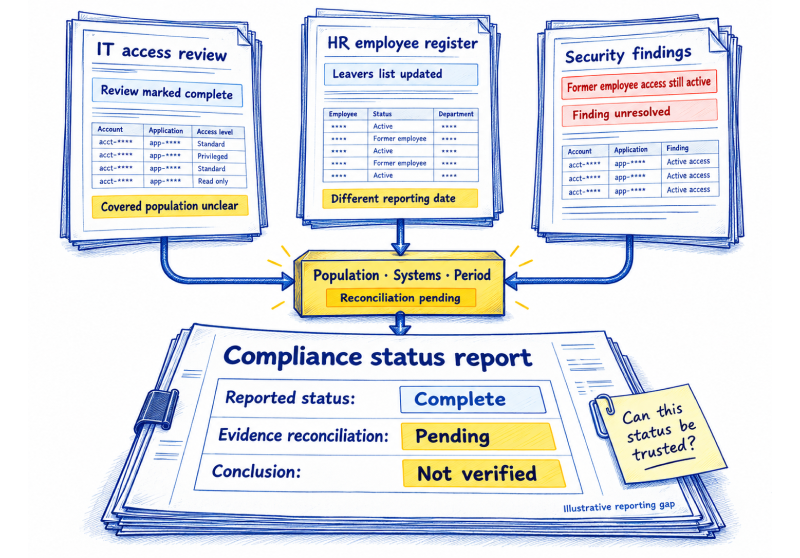
Compliance Status Reporting in 2026: Turn Results Into Clear Decisions
Compliance status reporting helps leaders understand what reported results cover, how reliable the supporting evidence is, and which gaps need action. Clear scope, separate test and exception states, and accountable...
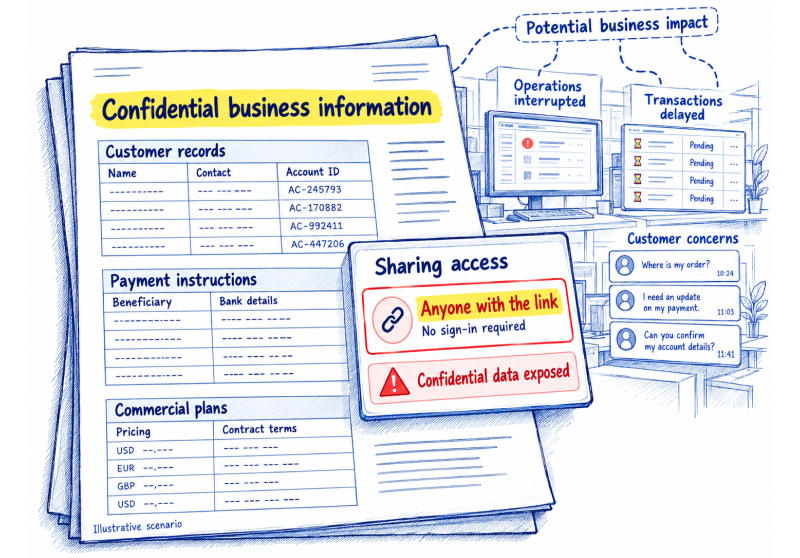
Information Security for Businesses: Protecting Trust and Operations
Information security for businesses protects the confidentiality, integrity and availability of information that supports everyday operations. Connecting safeguards to critical records, transactions and services helps organizations prioritize investment, limit disruption...
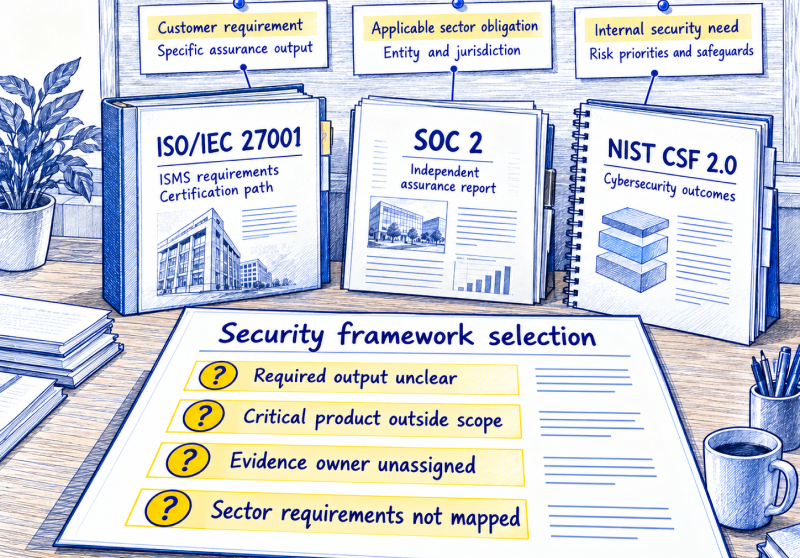
Choosing a Security Framework for Risk, Compliance, and Business Needs
A security framework helps organizations structure cybersecurity priorities, but selecting the right approach depends on business risks, applicable obligations and stakeholder expectations. Clear scope, accountable owners and suitable evidence make...
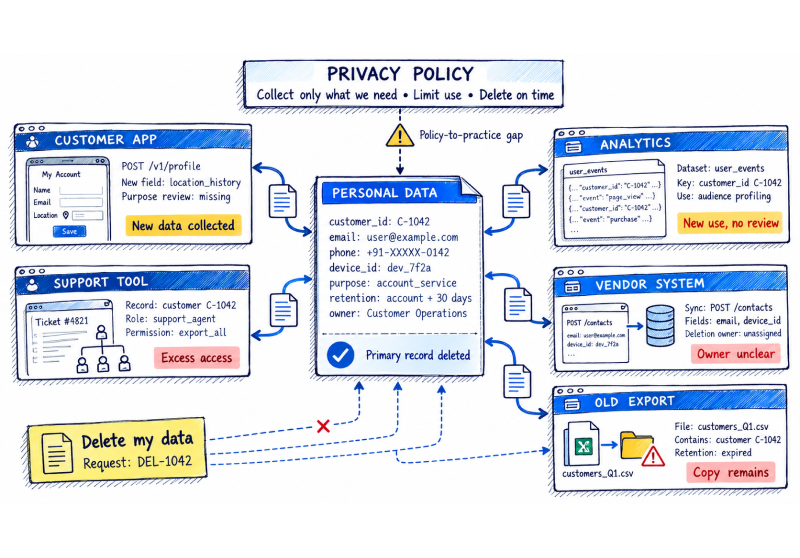
Data Privacy Compliance: Put Personal Data Controls Into Daily Practice at Scale
Data privacy compliance depends on whether stated purposes, actual data use and safeguards stay aligned as products and systems change. Trace each activity through access, rights requests, retention and deletion,...