Featured
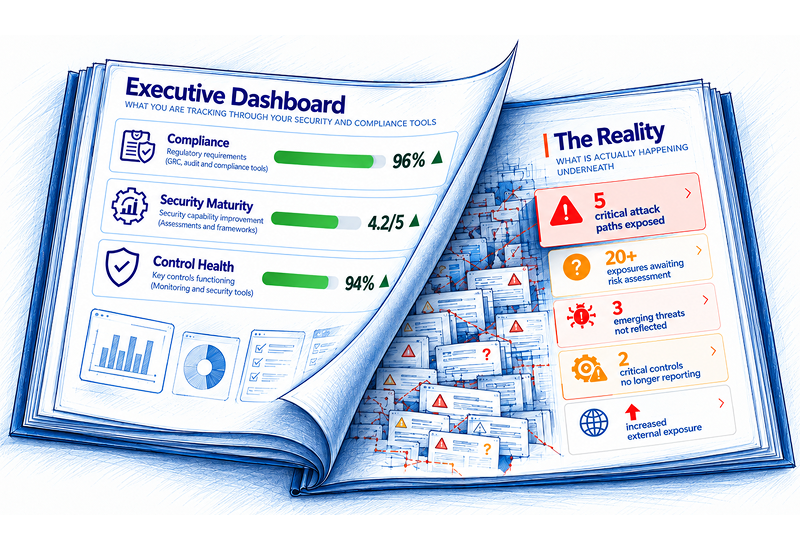
Why Green Security Dashboards Don’t Mean Lower Risk

Learn how compliance, security maturity, and continuously assessed business risk must work together to drive better security decisions. Compliance, security maturity, and risk assessment are three essential pillars of enterprise cybersecurity. Compliance measures adherence to defined requirements. Security maturity assesses organizational capabilities and opportunities for improvement. Risk assessment evaluates business exposure and the potential consequences of threats, considering existing safeguards. Yet an enterprise can achieve 96%...
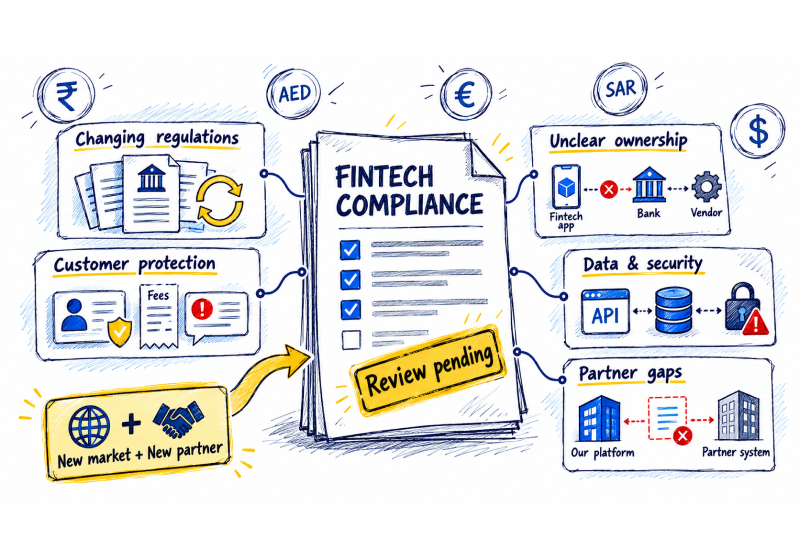
Fintech Compliance: A Practical Model for Regulated Digital Finance Operations

Fintech compliance depends on what a product does, which entities deliver it, and where customers, money, and data move. Mapping obligations across customer journeys clarifies control ownership and partner responsibilities....
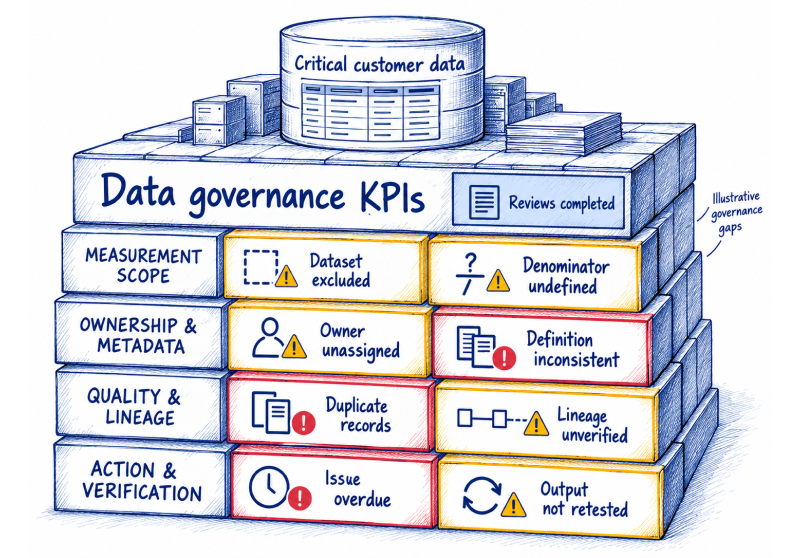
Data Governance Metrics: KPIs for Quality, Ownership, and Trusted Data Decisions

Data governance earns trust when teams can show where important data comes from, who is accountable, and whether it is fit for a defined use. A small set of well-defined...
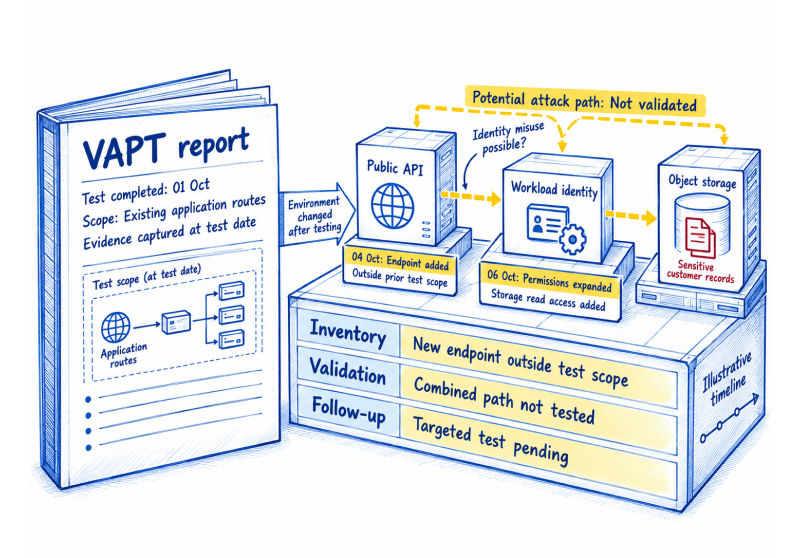
Cloud Security VAPT: Test Changing Attack Paths and Verify Remediation Outcomes
Cloud environments change with every deployment, identity update and configuration shift.Scanning can find weaknesses; scoped testing shows whether they combine into a usable path.Build VAPT as a safe validation loop...
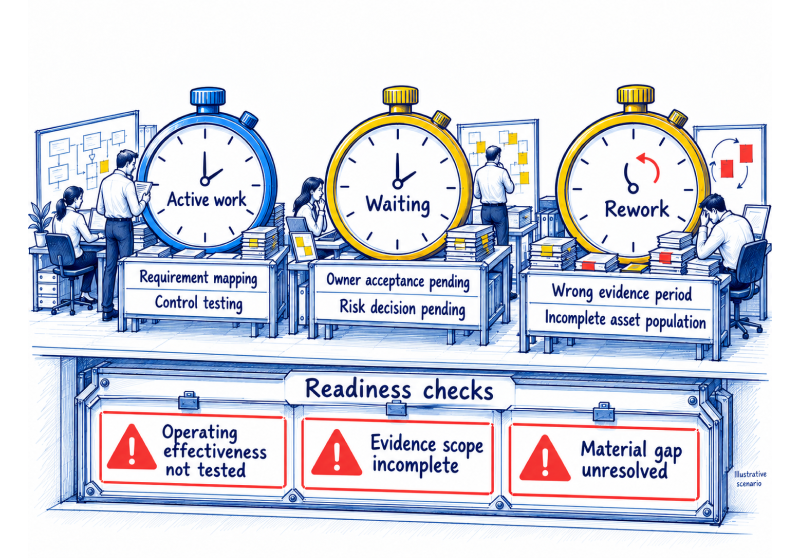
Time to Compliance: How CISOs Speed Audit Readiness and Measure Business Value
Time to compliance helps CISOs understand where audit preparation stalls and how to reduce avoidable delays. Clear milestones, accountable owners, and validated evidence reuse make readiness more predictable. Measuring preparation...
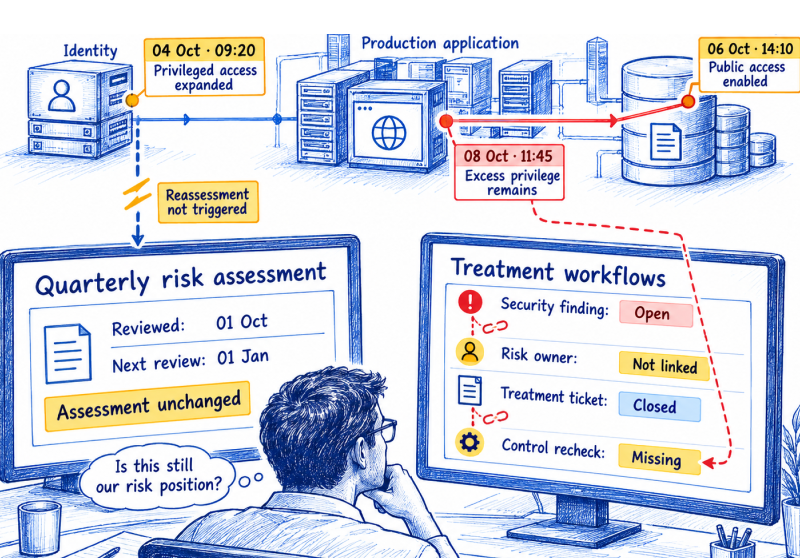
Risk Management Automation: Connect Evidence to Timely and Accountable Decisions
Risk management automation connects current operational evidence with structured risk assessments, monitoring, and accountable decisions. By reducing manual collection and follow-up, organizations can identify meaningful changes earlier while retaining human...
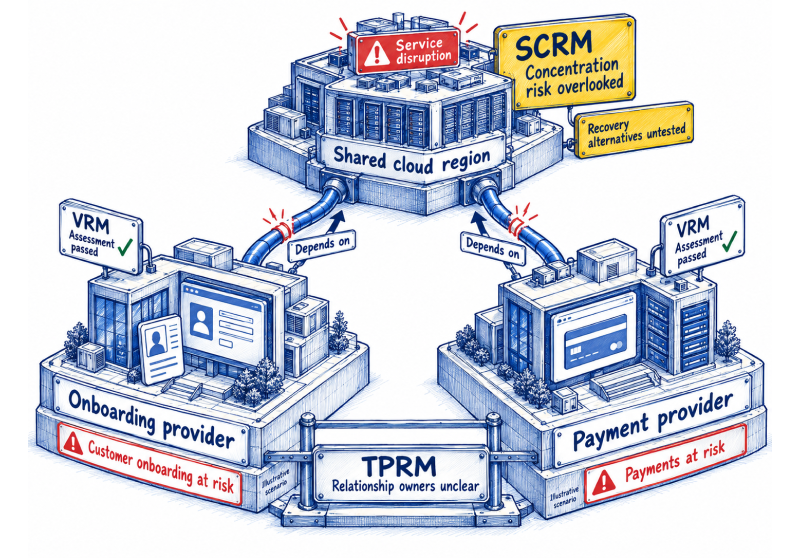
SCRM vs TPRM vs VRM: Understand External Risks and Shared Supplier Dependencies
SCRM, TPRM, and VRM address different layers of external business risk, from individual suppliers to interconnected supply chains. Understanding their scope and governance responsibilities helps organizations assess exposure, manage dependencies,...
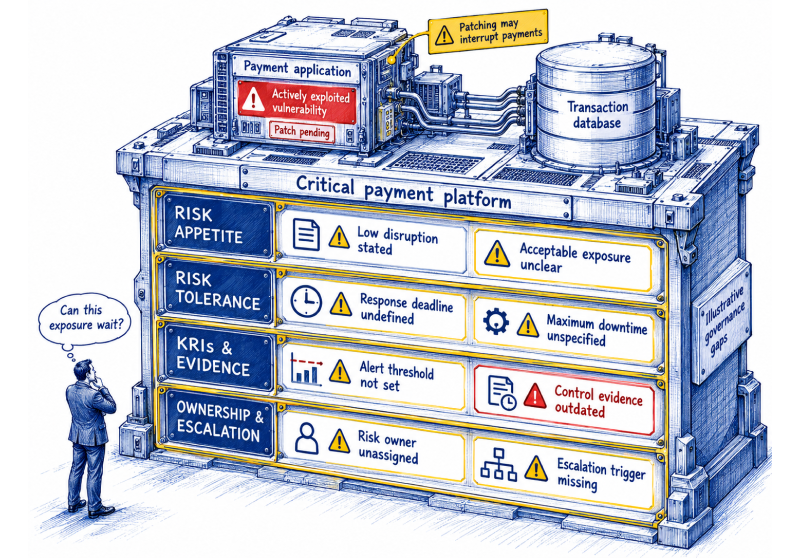
Risk Appetite vs Risk Tolerance: Set Clear Limits and Track Cyber Risk Exposure
Risk appetite, risk tolerance, and risk capacity shape how organizations assess and manage cybersecurity risks. Establishing measurable thresholds, monitoring KRIs, and evaluating control effectiveness help organizations prioritize exposure, make informed...
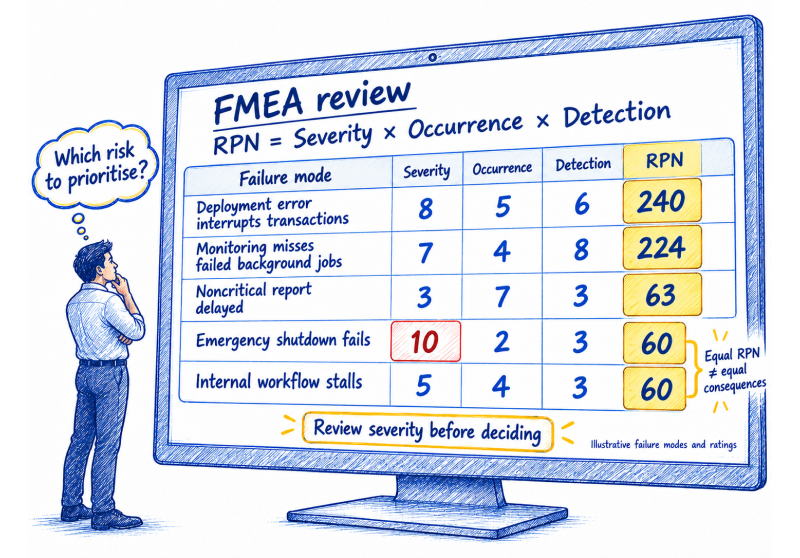
How to Calculate RPN in FMEA: Formula, Scoring Criteria and Practical Examples
Risk Priority Number (RPN) helps teams compare potential failures through their severity, likelihood of occurrence, and difficulty of detection. Consistent scoring, practical examples, and regular reassessment make FMEA more useful...
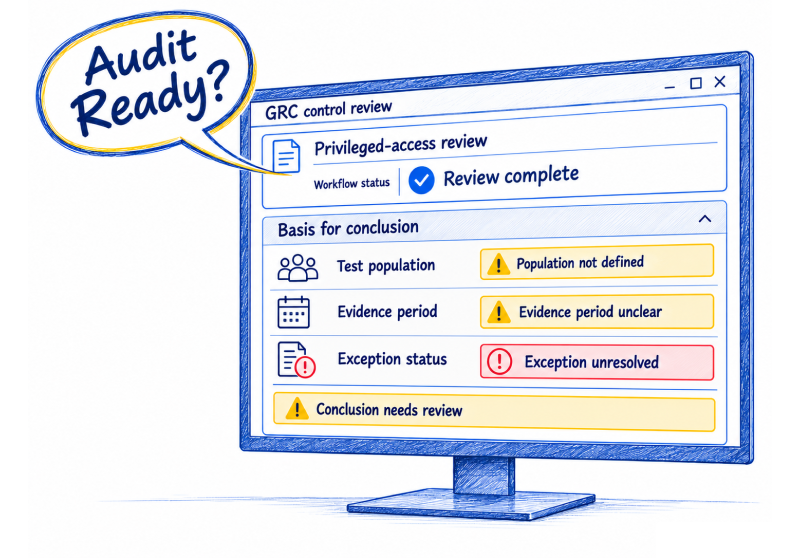
How to Evaluate a GRC Platform for Audit Quality Before Making a Buying Decision
A platform can support a defensible audit trail, but it cannot guarantee a high-quality audit. Use a realistic demonstration, written acceptance criteria and an exit test to assess fit. When...
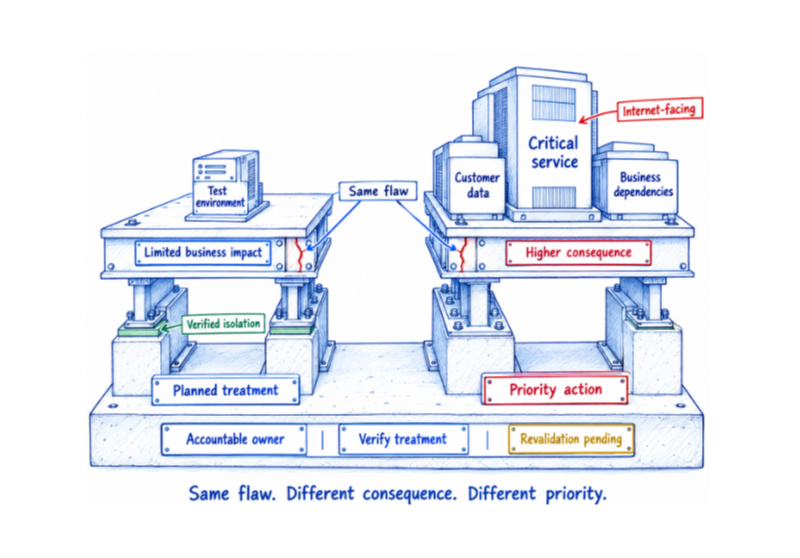
Cybersecurity Risk Scoring: Making Scores Useful for Security and Risk Decisions
A cybersecurity risk score should explain why an exposure matters and what action it requires. Learn how to combine threat signals, reachability, business impact and control evidence into clear priorities,...
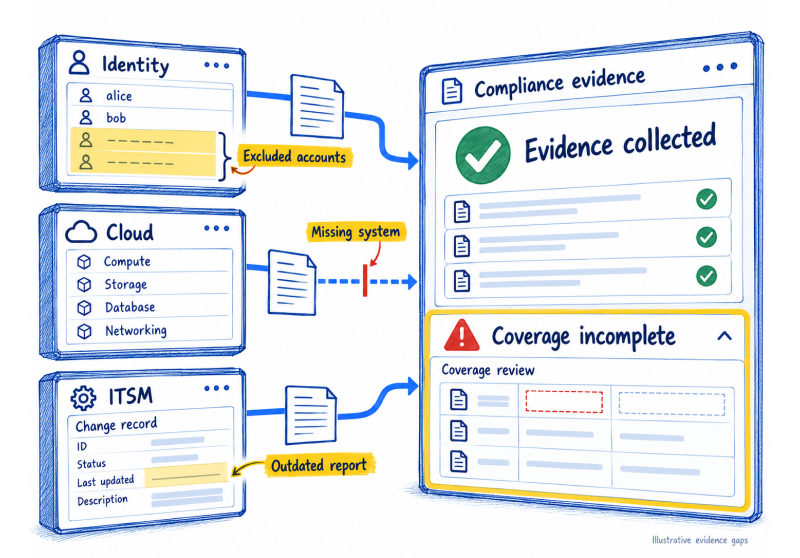
Automated Compliance Evidence: Make Control Signals Traceable and Reviewable
Automated evidence can save teams from repeated exports and audit-week searches. But capture is only the start: the evidence must still answer the auditor’s question. Automated compliance evidence collection can...
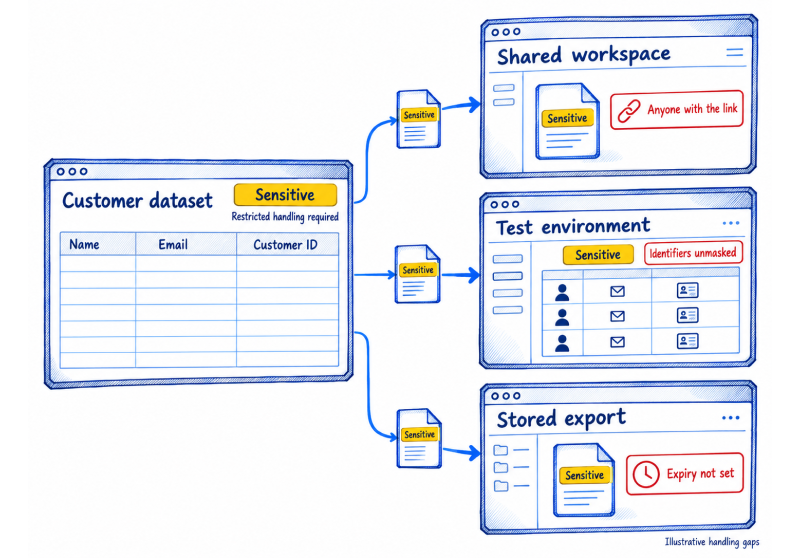
Data Classification Policy: Align Data Handling With Risk and Control Evidence
Define labels that guide access, sharing and disposal. This article explains how to apply them across data copies, assign decisions and connect handling controls to applicable framework requirements. A data...