Featured
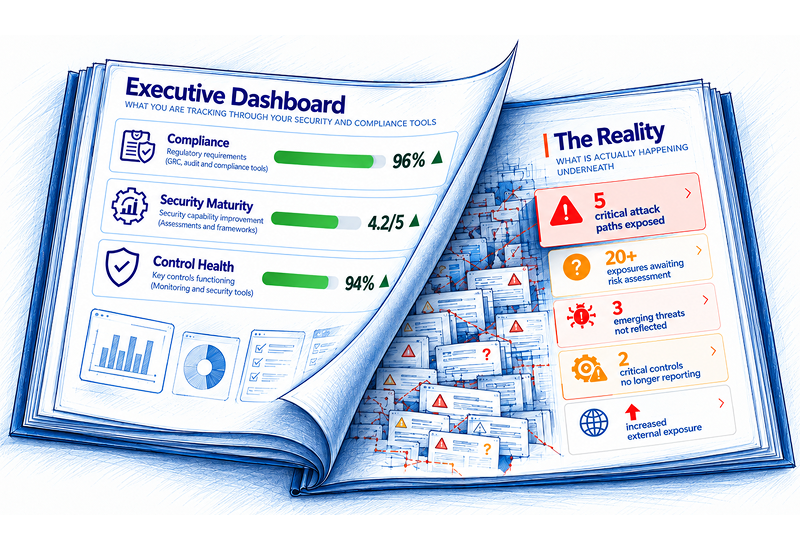
Why Green Security Dashboards Don’t Mean Lower Risk

Learn how compliance, security maturity, and continuously assessed business risk must work together to drive better security decisions. Compliance, security maturity, and risk assessment are three essential pillars of enterprise cybersecurity. Compliance measures adherence to defined requirements. Security maturity assesses organizational capabilities and opportunities for improvement. Risk assessment evaluates business exposure and the potential consequences of threats, considering existing safeguards. Yet an enterprise can achieve 96%...
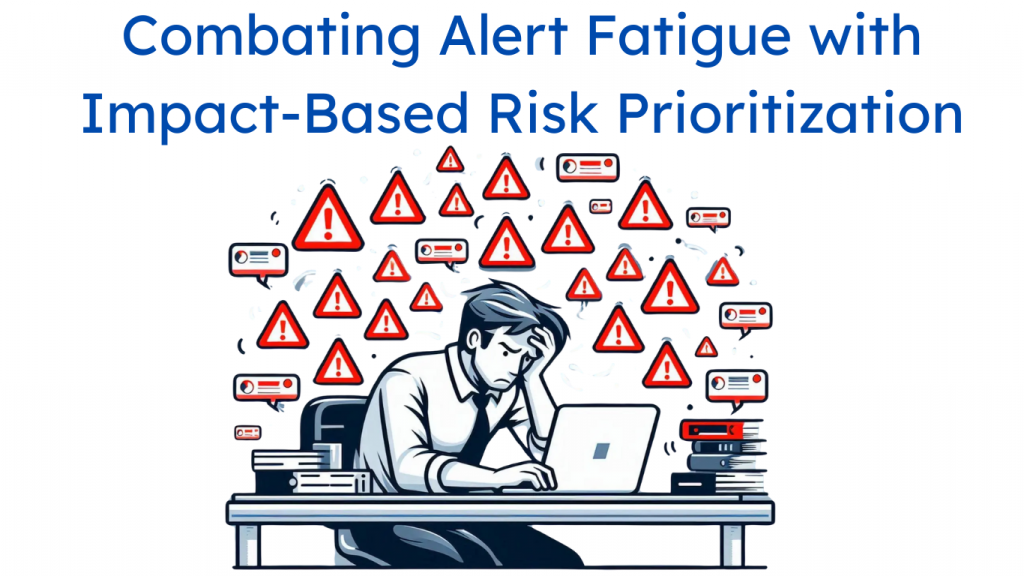
Combating Alert Fatigue for SOC Teams with Impact-Based Risk Prioritization

Security Operations Centers (SOCs) protect modern businesses from cyber threats. But instead of battling a lack of information, SOC teams often drown in it. Every day, analysts face thousands of...

Connecting Risk and Remediation with Integrated Incident Response
In 2023, attackers exploited a known vulnerability in MOVEit Transfer—a popular file transfer tool used by governments, banks, and large enterprises. Even after the vulnerability became public, many organizations failed...
Are You Boardroom-Ready? A CISO’s Guide to Cyber Risk Quantification and Security Maturity Assessment
Introduction: Why “Boardroom-Ready” Matters More Than Ever Not long ago, cybersecurity was seen as a technical silo—an IT function buried deep in the infrastructure, discussed mainly in jargon and dashboards...

Top 10 Early Warning Signs of Insider Threats Every Company Should Know
Insider threats are one of the most underestimated cybersecurity risks facing organizations today. While companies often focus on defending against external attackers, the real danger might be operating quietly from...
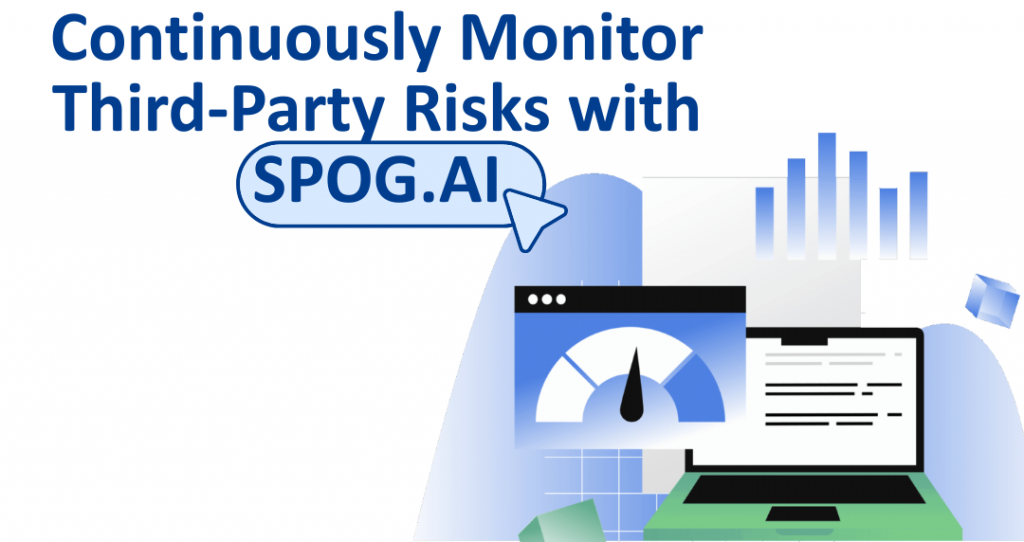
Modernizing Third-Party Risk Management with Continuous Monitoring
Introduction: The Evolution of Third-Party Risk Management Businesses today rely on third-party vendors for everything from cloud services to data processing. These partners enable scale and speed—but also open the...
The Complete Guide to Data Center Security and Compliance (with an actionable checklist)
Hybrid data centers have become the backbone of modern enterprise IT. These environments integrate on-premises infrastructure with public and private cloud platforms, offering agility, control, and performance. But as architecture...

What is a Risk and Controls Matrix? A Beginner’s Guide
Every organization, big or small, faces uncertainty. It could be a data breach waiting to happen, a missed regulatory deadline, or risks that emerge from a third-party vendor. The hard...
Designing a Comprehensive Risk Mitigation Strategy: From Assessment to Action
In February 2023, Karmak, a leading business software provider in the trucking industry, was hit by a ransomware attack. Thanks to a well-prepared incident response plan, the company acted fast....

Cyber Risk in Banking: Evolving Threats and Adaptive Risk Management
Banks today work in a fast-moving, always-connected digital world. With every new API, cloud platform, third-party service, remote employee, or customer-facing app, they expand their digital presence, and their exposure...
GRC Automation for Hybrid Infrastructure
Most companies today aren’t operating in just one environment. They’ve got systems running in the cloud, some in private data centers, and often a good chunk still sitting on on-premises...

Cyber Risk Management Goals for a Zero-Trust World
As cyber threats grow in sophistication and scale, traditional security models that once protected corporate networks are no longer sufficient. Businesses today face ransomware attacks, insider threats, supply chain compromises,...
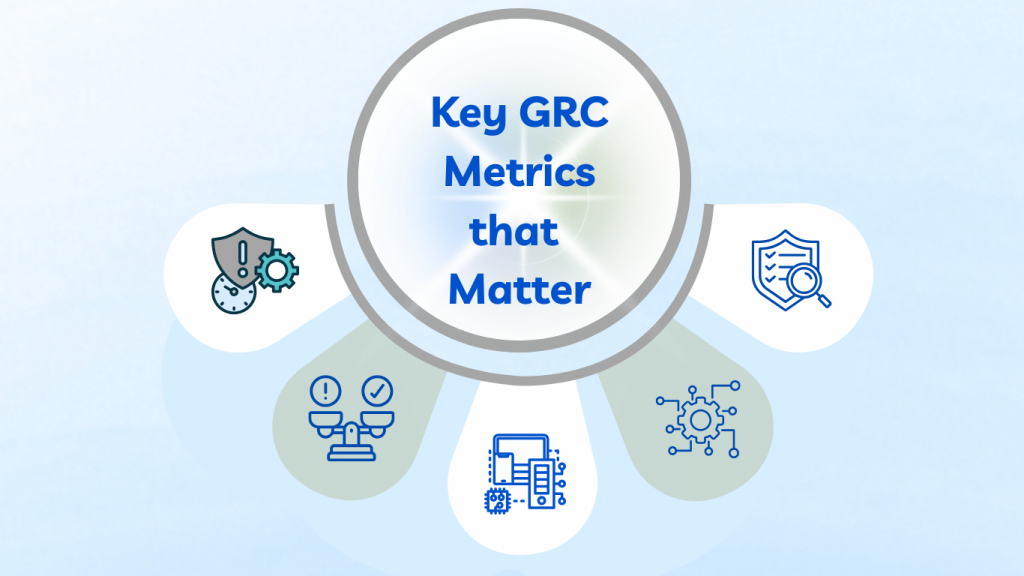
The GRC Metrics That Actually Matter
Governance, Risk, and Compliance (GRC) functions have evolved from reactive compliance checkpoints into proactive strategic enablers. However, this evolution brings a new challenge—how do you prove the value of GRC...