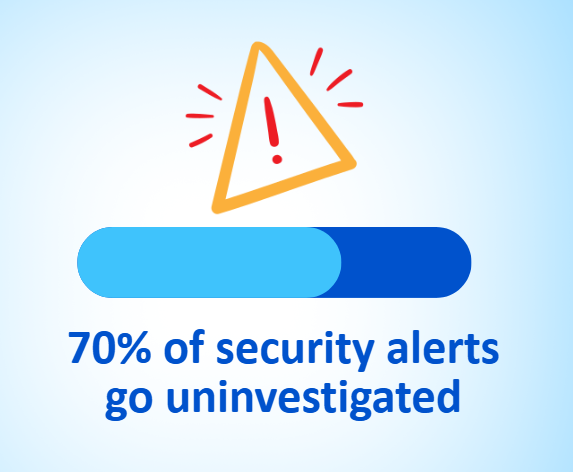
Research shows that around 70% of security alerts go uninvestigated, and many SOC teams struggle with burnout and high turnover. Analysts must sort through a mountain of data with limited time and resources. Even with automation in place, many tools create more alerts rather than helping teams focus on the most important ones.
Most alerting systems rely on severity scores, such as those from the CVSS (Common Vulnerability Scoring System). These scores measure the technical threat level but don’t consider the context. For example, a high-severity alert on a test server may not be as urgent as a low-severity alert on a system that handles customer data. Without understanding what’s truly at risk, teams waste time chasing alerts that don’t matter.
To fix this, SOCs need smarter alert prioritization. That means looking beyond severity and considering business impact. When teams rank alerts based on the damage a threat could cause, they can respond faster and more accurately. This approach not only reduces alert fatigue—it helps security teams focus on what truly matters.
In this article, we’ll explore how impact-based risk prioritization can reshape the way SOCs handle alerts, protect key assets, and reduce stress on analysts.
Anatomy of Alert Fatigue in SOCs
Alert fatigue doesn’t happen overnight—it builds over time as SOC teams deal with high volumes of repetitive, low-value notifications. Understanding the causes and effects of this fatigue is key to solving it.
What Alert Fatigue Looks Like
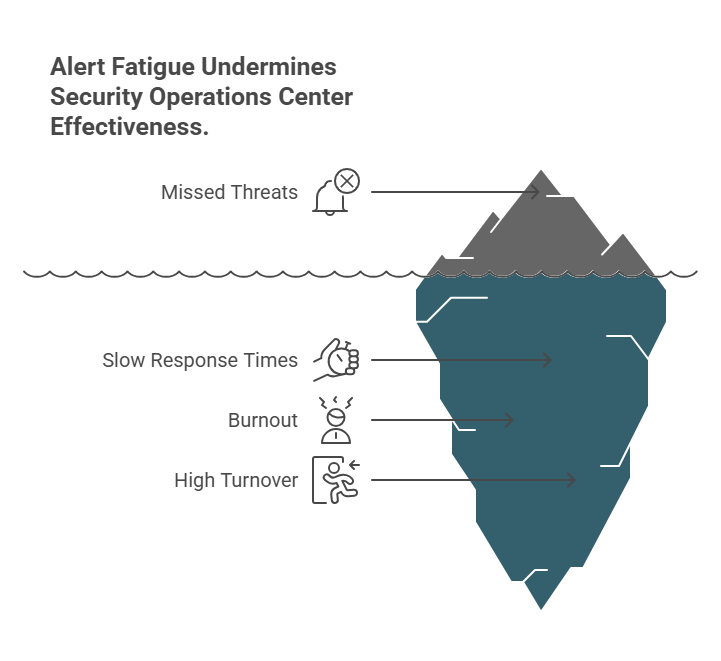
When analysts face a constant stream of alerts, they quickly learn that most won’t lead to a real threat. Over time, this leads to:
- Missed Threats: Critical alerts blend in with the noise and go unnoticed.
- Slow Response Times: Analysts spend too much time reviewing low-priority alerts.
- Burnout: Constant pressure and long hours take a toll, causing stress and mental exhaustion.
- High Turnover: Frustration pushes skilled professionals to leave, weakening the SOC’s long-term strength.
What Causes It
Several factors contribute to alert fatigue:
- Too Many Alerts: Tools like SIEMs and EDR platforms often flag anything unusual. While this increases coverage, it overwhelms analysts with alerts—many of them false positives.
- Lack of Context: Alerts often lack critical information about what’s affected, how urgent it is, or what to do next. Without this, analysts must waste time digging through logs or escalating to other teams.
- Static Prioritization: Most systems use generic severity scores to rank alerts. They don’t adjust for the specific environment or asset value. This one-size-fits-all approach creates noise rather than clarity.
- Disconnected Tools: Many SOCs use multiple tools that don’t talk to each other. This causes duplicate alerts and makes it harder to get a full picture of what’s happening.
The Result: Decision Paralysis
With too many alerts and too little context, analysts struggle to decide where to focus. They might become overly cautious—treating everything as urgent—or dismissive, ignoring potential threats. Either choice leads to mistakes.
To combat alert fatigue, SOCs need to change how they manage and prioritize alerts. The next step is moving beyond volume-based responses to a smarter, risk-focused model.
What Is Impact-Based Risk Prioritization?
Impact-based risk prioritization shifts the focus from the number or severity of alerts to how much damage a threat could actually cause. Instead of treating all high-severity alerts as equal, this method evaluates each one based on the potential impact to the organization’s most critical assets.
A Smarter Way to Prioritize
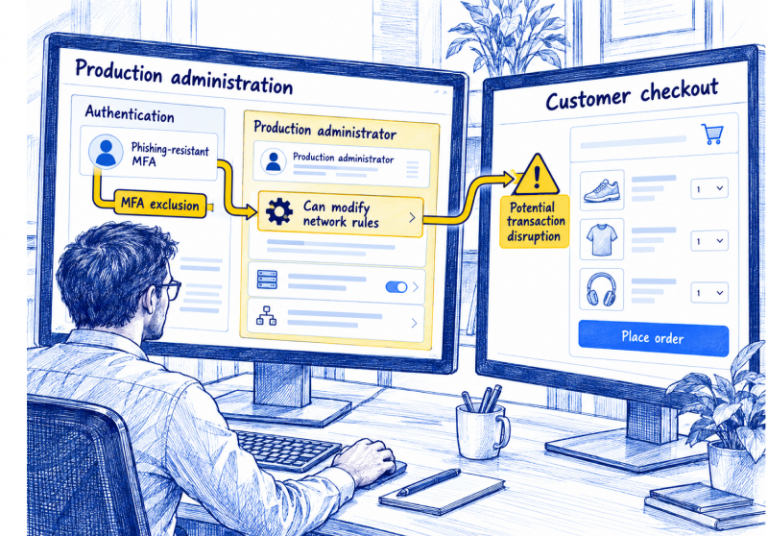
Traditional alert systems rely heavily on severity scores like CVSS, which measure technical factors such as exploitability or attack complexity. But these scores lack real-world context. For example, a CVSS 9.8 vulnerability on a development server may pose far less risk than a CVSS 5.0 issue on a production server holding customer payment data.
Impact-based risk prioritization adds this missing context. It asks key questions like:
- What asset is at risk?
- How critical is this asset to business operations?
- What would happen if the threat succeeds?
- Is the asset exposed to the internet or internal only?
- Has this type of attack occurred before in our environment?
By combining these factors, SOC teams can calculate a risk score that better reflects the true urgency of the alert.
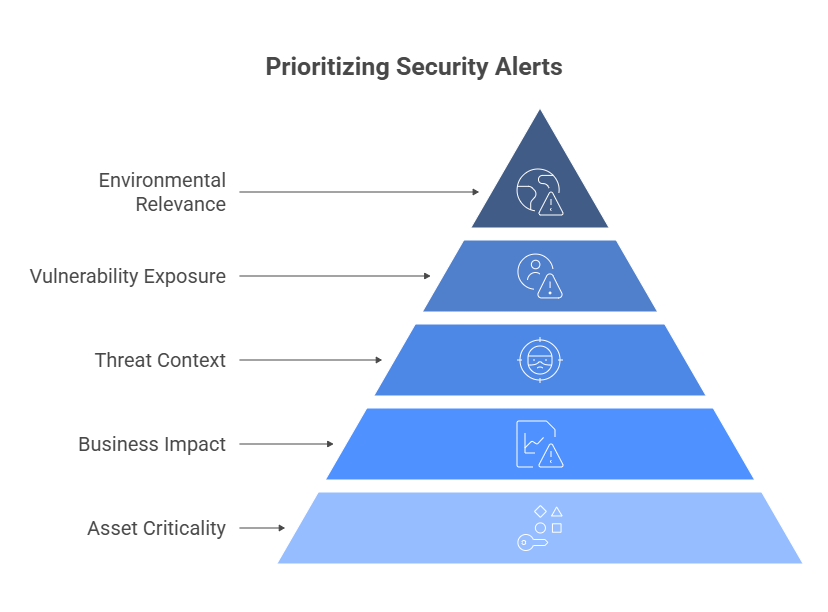
Key Components of Impact-Based Risk Prioritization
- Asset Criticality
Identify which systems, applications, or data are most important to business operations. Crown-jewel assets deserve higher protection and faster response.
- Business Impact
Estimate the potential fallout from an attack—could it cause financial loss, reputational harm, or legal penalties? The more serious the consequences, the higher the alert should rank.
- Threat Context
Combine threat intelligence and behavioral indicators to assess intent and sophistication. Is this a common script kiddie scan or a targeted attack?
- Vulnerability Exposure
Measure how accessible and exploitable a vulnerability is in your specific environment. Public-facing assets and unpatched systems pose higher risks.
- Environmental Relevance
Align alerts with your organization’s unique threat landscape. What’s critical for one company may not matter for another.
A Real-World Comparison
Imagine two alerts land in your queue:
- Alert A: A high-severity vulnerability on an internal test server with no sensitive data.
- Alert B: A medium-severity misconfiguration on a public-facing database that stores customer records.
Traditional systems might prioritize Alert A. Impact-based risk prioritization would elevate Alert B—because it poses a much higher threat to your organization.
Real-World Benefits of Impact-Based Prioritization
Adopting impact-based risk prioritization doesn’t just improve how alerts are ranked—it transforms the entire workflow of the Security Operations Center (SOC). By focusing on what truly matters, SOC teams can boost performance, reduce stress, and better align with business goals.
1. Fewer False Positives, Less Noise
Impact-based models help filter out irrelevant or low-value alerts before they reach analysts. By using asset tags and business impact scores, the system can automatically suppress noise from:
- Low-severity vulnerabilities on non-critical systems
- Known benign activity patterns
- Redundant or duplicate alerts from different tools
The result: cleaner queues, fewer distractions, and more time spent on actual threats.
2. Faster Response to Real Threats
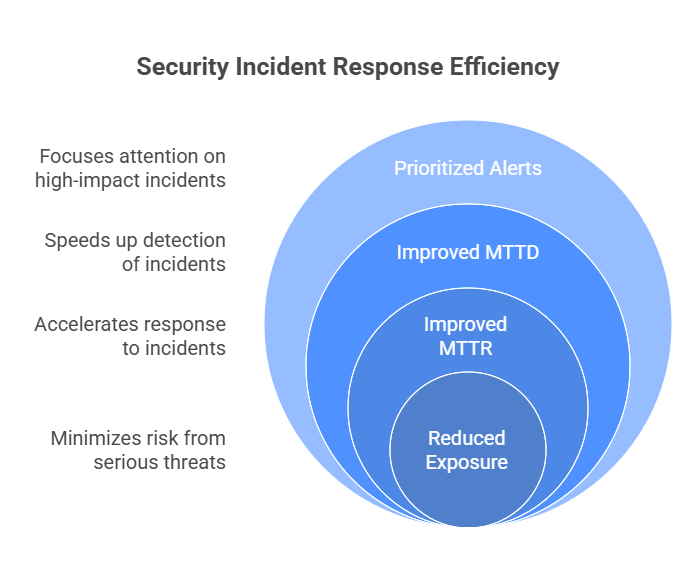
When alerts are prioritized based on impact, analysts can immediately see which incidents demand attention. This improves mean time to detect (MTTD) and mean time to respond (MTTR)—two critical SOC metrics.
Teams spend less time triaging and more time mitigating real risks. By surfacing high-priority alerts first, organizations also reduce the window of exposure for serious threats.
3. Less Burnout, Higher Analyst Morale
Alert fatigue is a major cause of SOC burnout. When analysts are constantly bombarded with low-priority alerts, they lose trust in the system—and motivation to stay engaged.
Impact-based prioritization gives analysts a clearer signal-to-noise ratio, helping them focus on meaningful work. It also builds confidence in decision-making, as alerts now carry relevant context and purpose.
4. Smarter Use of Automation and Resources
With alerts ranked by business relevance, organizations can apply automation more strategically:
- Auto-close low-impact alerts
- Trigger playbooks for moderate-risk events
- Escalate only the top-tier threats to senior analysts
This not only saves time but ensures that high-value human resources are used where they matter most.
5. Better Business Alignment and Risk Visibility
Impact-based models align security decisions with business objectives. Executives and risk leaders can see how alerts relate to critical operations, customer data, or compliance obligations.
This clarity supports better reporting, more informed decisions, and stronger collaboration between cybersecurity and other departments. During audits or board meetings, SOC leaders can clearly explain why certain threats received attention—and others didn’t.
Impact-based risk prioritization moves security from a reactive, volume-driven function to a focused, strategic discipline. It empowers SOC teams to defend smarter, respond faster, and stay ahead of evolving threats.
Building an Impact-Based Alerting Workflow Using SPOG.AI
Implementing impact-based prioritization requires more than just scoring vulnerabilities—it demands a deep understanding of business context, asset value, and threat dynamics. Tools like SPOG.AI help SOC teams operationalize this model by integrating risk intelligence into their alerting pipelines.
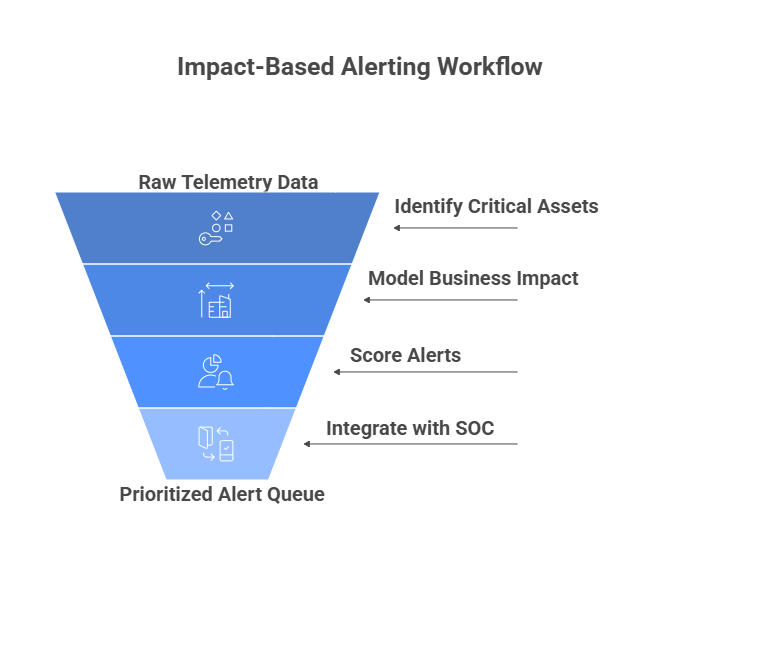
1. Identify and Contextualize Critical Assets
SPOG.AI constructs a real-time view of your environment by ingesting telemetry from endpoints, cloud systems, and identity infrastructure. Each asset is classified based on:
- Business function (e.g., revenue-facing, internal tooling)
- Data sensitivity
- System dependencies
This context allows alerts to be tied to what’s at stake—not just what’s vulnerable.
2. Model Business Impact Alongside Technical Severity
Instead of relying on static severity scores, SPOG.AI adds context that reflects how an alert could affect real-world operations. The platform evaluates:
- Operational impact (downtime, data access, service disruption)
- Risk exposure (internet-facing, privileged access)
- Relevance to regulatory and compliance requirements
This modeling supports more informed prioritization than severity scores alone.
3. Score Alerts Using an Impact-Weighted Formula
At the core of the model is a flexible scoring system that ranks alerts in real time based on current system posture and known threat behavior. The result is a ranked alert queue that reflects both technical urgency and business relevance.
4. Integrate with Existing SOC Workflows
SPOG.AI doesn’t replace SIEMs or SOAR platforms—it enhances them. Alerts are pre-processed and enriched before being sent downstream. The system can:
- Filter out low-relevance alerts automatically
- Route high-priority alerts to senior analysts
- Add context to each alert, including asset tags and recommended actions
This allows SOC teams to work more efficiently within their existing environments.
5. Enable Analyst Feedback and Continuous Adjustment
SPOG.AI supports human-in-the-loop feedback, allowing analysts to flag misprioritized alerts or update asset criticality. This feedback loop helps refine scoring logic over time, adapting to new threats and shifting business priorities.
Optional Capabilities for Mature Teams
For organizations looking to go further, SPOG.AI offers:
- Contextual alert cards that show user behavior, asset relationships, and threat indicators in one place
- Threat actor mapping based on known TTPs (via MITRE ATT&CK and threat feeds)
- Load-aware throttling to suppress noise during widespread events like scan storms or misconfigured agents
By aligning technical signals with business context, SPOG.AI helps organizations build a smarter, more sustainable alerting process. It allows SOCs to focus on the alerts that matter most—without adding more dashboards or complexity.
Conclusion
Alert fatigue remains one of the most persistent and dangerous challenges in modern cybersecurity. As SOC teams continue to face a growing volume of alerts—many of which are low-value or context-blind—the risk of missing truly critical threats increases. Traditional severity-based alerting, while helpful for measuring technical exposure, often fails to reflect what matters most to the business.
An impact-based risk prioritization approach offers a way forward. By combining asset criticality, business impact, and threat likelihood, SOC teams can better distinguish between noise and real risk. This not only sharpens detection and response—it also reduces analyst overload, boosts efficiency, and helps organizations focus on protecting their most vital systems and data.
Platforms like SPOG.AI help operationalize this model by embedding context and prioritization directly into the alerting workflow. While technology plays a key role, success ultimately depends on aligning people, processes, and data around a shared understanding of risk.
Security operations don’t need more alerts—they need smarter alerts. By shifting from volume-based response to impact-driven action, organizations can turn alert fatigue into clarity, resilience, and stronger defense.