GRC in the Age of Hybrid IT
Even with the rise of cloud computing, on-prem isn’t going anywhere. Mid-sized and large organizations—especially in industries like finance, healthcare, and government—still rely on it for plenty of good reasons. Maybe they’ve got legacy applications that can’t be moved. Maybe they need to meet strict data regulations. Or maybe they just want that extra layer of control that comes with managing their own infrastructure.
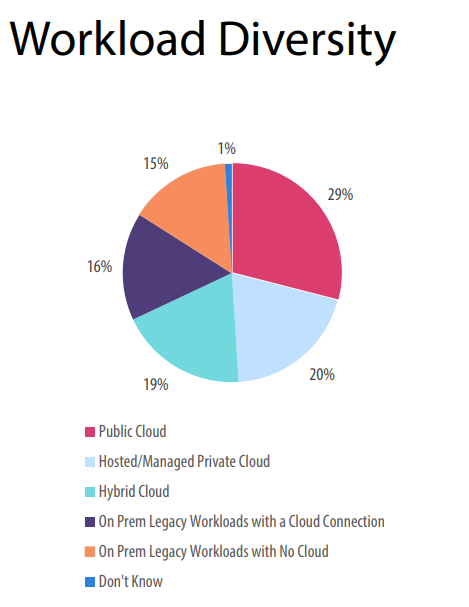
Here’s the reality: according to the Hybrid and Multi-Cloud Study by Technalysis Research, about 30% of workloads still run in traditional data centers, while another 40% are handled through private or hybrid cloud setups. That means a huge portion of enterprise computing still happens outside the public cloud.
And that’s where things get tricky for governance, risk, and compliance (GRC). Most traditional GRC systems were designed for simpler, centralized IT environments. They depend on spreadsheets, static checklists, and manual reviews. But in a fast-moving hybrid setup, those old ways just don’t cut it anymore. The result? Gaps in compliance, extra effort to get through audits, and a lot of wasted time.
This is why GRC automation is no longer a nice-to-have—it’s a must. It’s not just about making audits quicker. It’s about building compliance and risk checks right into your systems, whether they’re in the cloud or sitting in a server room downstairs. Automation helps apply the same policies everywhere, without relying on band-aid fixes or endless manual steps.
To get this right, organizations need to stop thinking in silos. A strong GRC approach sees hybrid IT as one connected environment, not a scattered mess. With the right automation, you can build a GRC program that scales, reacts in real-time, and keeps up with the pace of your business.
Risk and Compliance Complexities in On-Prem and Hybrid Setups
Running a hybrid environment means more flexibility—but it also means more moving parts to manage. From a GRC standpoint, that introduces a whole new level of complexity. What works for a single cloud setup or a tightly controlled on-prem environment doesn’t always translate cleanly across both.
Let’s start with on-premises systems. These setups often include older hardware or legacy applications that haven’t been updated in years. Some might even be air-gapped—physically isolated from the internet for security reasons. While that can reduce certain external risks, it makes monitoring and managing compliance a lot harder. You can’t easily run automated scans or push updates when systems are siloed or outdated.
Now throw in cloud and hybrid workloads. These are more dynamic. Services spin up and down on demand, data moves between platforms, and different parts of the business might be using different cloud providers altogether. Each provider has its own set of tools, policies, and configurations—which means enforcing consistent controls across environments becomes a real challenge.
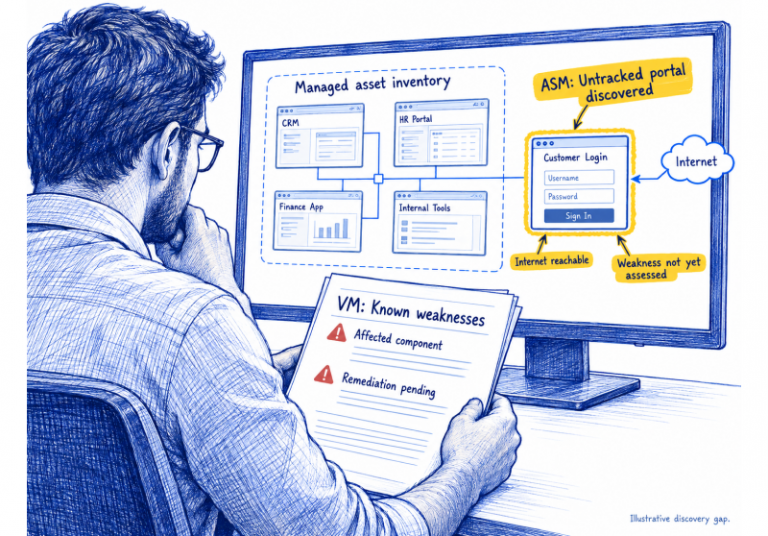
Then there’s the issue of shadow IT. Teams often bypass formal channels and spin up resources outside of IT’s view. This creates gaps in visibility and opens the door to risks that GRC programs might miss entirely.
Another common problem? Logging and auditing. On-prem systems might log data differently than cloud-based ones. Some might not log at all. Without a unified approach, it’s hard to know what’s happening where—and harder still to prove compliance when auditors come knocking.
And let’s not forget change management. In hybrid setups, tracking and approving every configuration or update can be tough. Changes made in one system might not be documented properly in another, leading to misalignment, errors, or security lapses.
All of this adds up to a fragmented view of risk and compliance. You’ve got different platforms, different policies, and disconnected tools. Without automation and integration, it’s easy for things to fall through the cracks.
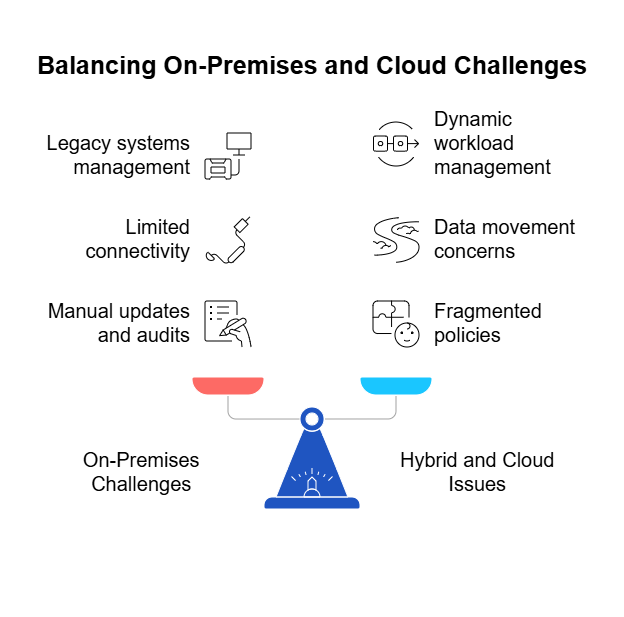
Complexities of Hybrid Infrastructure in a Nutshell
🔧 On-Premises Infrastructure Challenges
- Legacy systems often run outdated software, making them harder to secure and monitor.
- Air-gapped environments limit connectivity, which complicates automation and visibility.
- Manual updates and audits are still common, increasing the risk of human error.
☁️ Hybrid and Cloud-Specific Issues
- Dynamic workloads (e.g., autoscaling services) make it difficult to apply consistent controls.
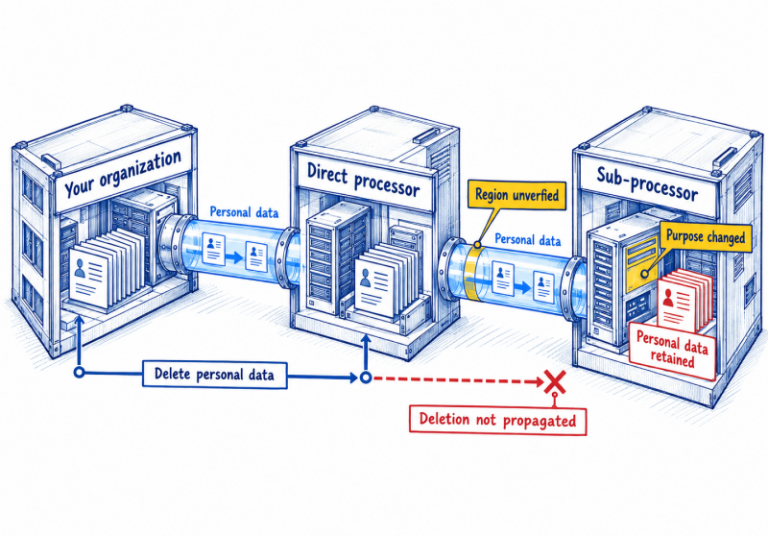
- Data movement across environments raises concerns around compliance and traceability.
- Multiple cloud providers often mean fragmented policies and inconsistent enforcement.
⚠️ Common GRC Pitfalls in Hybrid Setups
- Shadow IT: Teams may deploy resources outside IT’s oversight, creating visibility and security gaps.
- Inconsistent logging and auditing: Different systems produce logs in different formats—or not at all.
- Poor change management: Tracking changes across platforms is difficult, leading to policy drift or missed updates.
- Siloed tools: Lack of integration between on-prem and cloud tools prevents unified risk monitoring.
📉 Overall Impact
- Fragmented compliance posture with gaps between cloud and on-prem controls.
- Increased audit fatigue due to duplicated efforts and lack of automation.
- Higher risk exposure from unmonitored systems or unmanaged changes.
Core Components of an Automated GRC Framework for On-Premises and Hybrid Cloud Architecture
To make GRC automation work in a hybrid environment, you need more than just good intentions—you need a strong foundation. That means building a framework with the right components to handle governance, risk, and compliance across both cloud and on-prem systems.
Below are the essential pieces of that framework:
Governance: Set the Rules and Enforce Them Consistently
- Role-Based Access Control (RBAC): Clearly define who can access what—across both cloud and on-prem systems.
- Policy-as-Code: Turn governance policies into code that can be tested, enforced, and version-controlled.
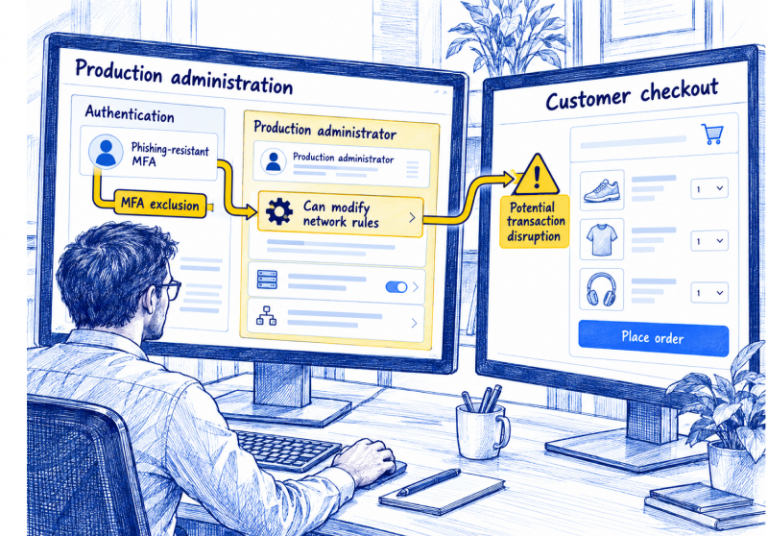
- Segregation of Duties: Automate checks to prevent conflict of interest in roles (e.g., developers approving their own changes).
- Centralized Policy Management: Ensure that security and compliance rules are managed from a single place, even if infrastructure is spread out.
Risk Management: Detect, Score, and Act
- Automated Asset Discovery: Continuously identify and classify resources—servers, databases, containers—no matter where they live.
- Risk Scoring: Assign risk levels based on configurations, vulnerabilities, and exposure, updated in real time.
- Continuous Monitoring: Use automated tools to watch for suspicious activity, misconfigurations, or policy violations.
- Business Context Awareness: Link risks to business-critical systems to help prioritize what really matters.
Compliance Automation: Prove You’re Doing the Right Thing
- Control Mapping: Align technical controls with standards like ISO 27001, SOC 2, HIPAA, or internal policies.
- Real-Time Control Validation: Automatically test whether controls are working—and alert when they’re not.
- Evidence Collection: Auto-generate logs and audit trails to show compliance, without hunting for screenshots or spreadsheets.
- Audit-Ready Dashboards: Give auditors what they need, fast—with clear reports that pull from both cloud and on-prem data sources.
A solid GRC automation framework does more than just save time. It helps your organization stay secure, prove compliance, and adapt quickly—without relying on manual processes that don’t scale. Most importantly, it bridges the gap between your cloud and on-prem worlds, treating them as one connected environment.
Integration Strategies for Legacy and Modern Systems
Building a strong GRC automation framework is one thing—but making it work across legacy systems and modern cloud platforms is where the real challenge begins. Many organizations are dealing with a patchwork of old and new tools that weren’t designed to talk to each other. But with the right integration strategies, you can bring everything under one roof.
Here’s how to do it:
Connect with Core Systems That Matter
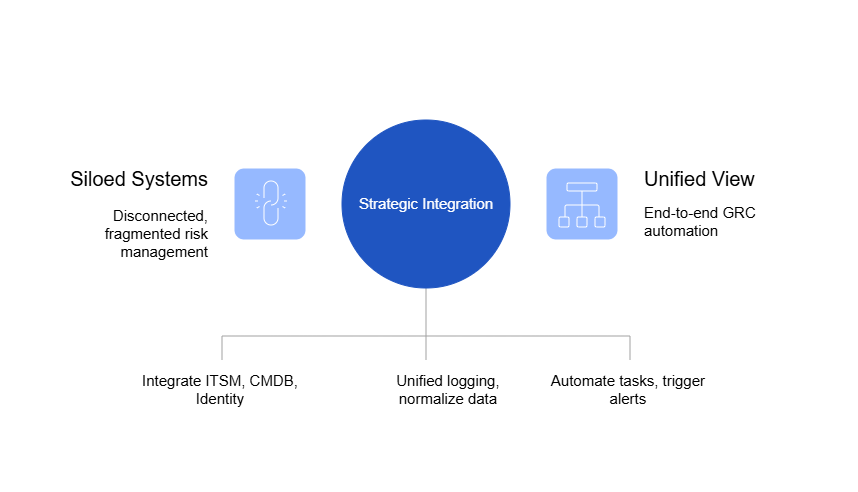
- IT Service Management (ITSM) Tools
Integrate with platforms like ServiceNow or Jira Service Management to automate control workflows, track incidents, and assign risk ownership.
- Configuration Management Databases (CMDBs)
Pull in structured asset data from your CMDB to understand what’s running where—whether it’s in the cloud or on a server in your office.
- Identity and Access Platforms
Sync identity data across systems like Active Directory, Azure AD, or Okta to manage access rights and enforce governance consistently.
Federate Logs and Controls Across Environments
- Unified Logging Pipelines
Consolidate logs from cloud-native and on-prem systems using tools like ELK Stack, Splunk, or SIEMs to centralize monitoring and auditing.
- Normalize Event Data
Use log transformation tools to convert data from legacy systems into formats your cloud-native tools can understand—and vice versa.
- Central Control Dashboards
Create a single pane of glass for risk and compliance, pulling data from across your environments into one intuitive dashboard.
Leverage APIs for Extensibility and Automation
- Open APIs for System Communication
Many modern GRC and security tools offer APIs that let you automate tasks, trigger alerts, or pull compliance data on demand.
- Webhook-Driven Workflows
Trigger automated actions—like revoking access or opening a ticket—when a policy violation or risk event is detected.
- Middleware and Integration Platforms
Use services like MuleSoft, Zapier, or custom API gateways to bridge the gap between systems that weren’t built to integrate.
By connecting legacy systems with modern cloud infrastructure, you can break down silos and get a unified view of risk, compliance, and governance. Integration isn’t just a technical task—it’s a strategic move that allows your GRC automation framework to function end-to-end.
GRC Tools and Technologies Landscape for Hybrid Infrastructure
Once your strategy and framework are in place, the next step is choosing the right tools to bring GRC automation to life. But in a hybrid environment, not all tools are created equal. Some are built for cloud-first use cases, while others focus on legacy or on-prem systems. The key is finding solutions that span both worlds, offer good integration capabilities, and fit your specific needs.
Here’s a breakdown of the GRC tooling landscape for hybrid infrastructures:
Customizable and Open Approaches
Some organizations prefer tools that offer deep customization and control. These are often designed with developers and security engineers in mind, allowing teams to define policies as code and integrate directly with infrastructure workflows.
- Useful for organizations with strong in-house technical skills.
- Enables fine-grained policy enforcement and custom compliance logic.
- Typically requires more effort to integrate and maintain.
✅ Best for: Teams looking for full control and willing to build integrations from the ground up.
Enterprise-Grade Platforms
For organizations with complex governance needs, enterprise platforms provide out-of-the-box support for risk management, compliance reporting, and policy workflows. These solutions often come with pre-built templates for common frameworks and strong integration capabilities.
- Designed to scale across departments and business units.
- Includes reporting, dashboards, and evidence management.
- May be heavier to configure and more expensive to implement.
✅ Best for: Larger enterprises seeking structure, standardization, and centralized oversight.
Flexible, Hybrid-Ready Solutions
Some solutions are purpose-built to function well in hybrid environments. They are platform-agnostic and prioritize real-time data collection, consistent policy enforcement, and integration with both legacy and cloud systems.
- Balances ease of use with customization options.
- Provides visibility across environments through unified dashboards.
- Supports both cloud-native and traditional infrastructure.
✅ Best for: Organizations navigating a mix of legacy systems and modern workloads.
Key Considerations When Choosing GRC Technology
When evaluating GRC tools for a hybrid setup, consider the following:
- Compatibility: Does it support both on-premises and cloud environments?
- Interoperability: Can it integrate easily with your existing infrastructure and APIs?
- Automation Capabilities: Can it automate control checks, evidence gathering, and reporting?
- Scalability: Will it grow with your infrastructure as your organization evolves?
- User Experience: Is it intuitive enough for multiple teams—security, IT, compliance—to use effectively?
Conclusion: GRC Can’t Be an Afterthought in the Hybrid Era
Ultimately, the best GRC tools are those that adapt to your architecture, streamline compliance efforts, and provide real-time insight into risk—no matter where your workloads run.
Managing governance, risk, and compliance in today’s hybrid environments requires more than legacy checklists and fragmented oversight. As infrastructure sprawls across cloud, on-prem, and everything in between, the margin for error shrinks. Manual processes not only fall short—they actively increase exposure.
Automation is no longer a nice-to-have. It’s the only way to gain consistent visibility, enforce controls, and respond to risks in real time. Forward-looking organizations are embedding GRC into their infrastructure, not treating it as an afterthought. They’re shifting from reactive compliance to proactive assurance—at scale.
In that shift, tooling matters. The right GRC platform should be environment-agnostic, flexible enough to operate across legacy and modern systems, and simple to deploy without disrupting existing workflows.
SPOG AI is built with this philosophy in mind. Designed to work seamlessly across public cloud, private infrastructure, and on-prem systems, it helps organizations unify their risk and compliance efforts without being locked into a specific environment.
As hybrid complexity grows, the ability to enforce governance everywhere—without adding friction—will define how well companies manage both risk and resilience.