Featured
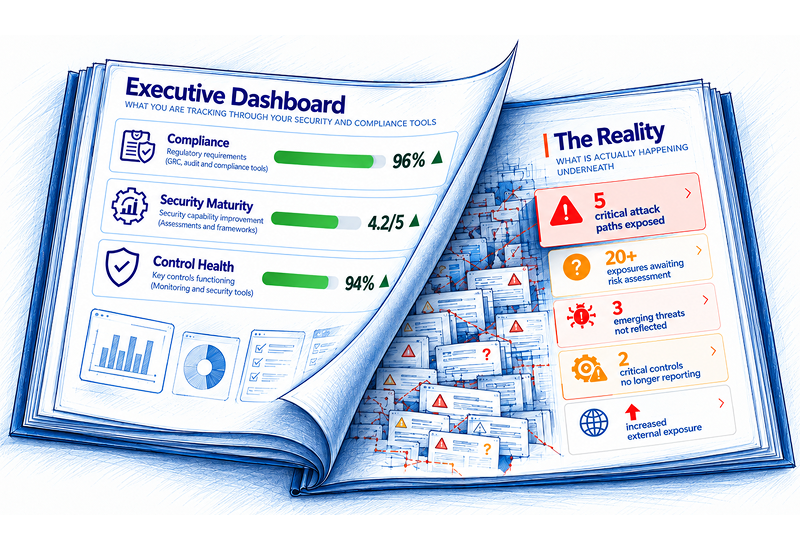
Why Green Security Dashboards Don’t Mean Lower Risk

Learn how compliance, security maturity, and continuously assessed business risk must work together to drive better security decisions. Compliance, security maturity, and risk assessment are three essential pillars of enterprise cybersecurity. Compliance measures adherence to defined requirements. Security maturity assesses organizational capabilities and opportunities for improvement. Risk assessment evaluates business exposure and the potential consequences of threats, considering existing safeguards. Yet an enterprise can achieve 96%...
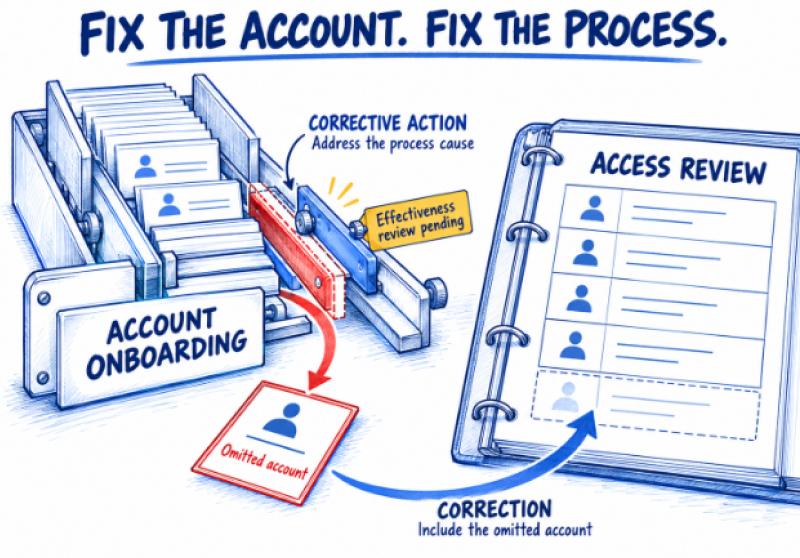
ISO 27001 Certification in 2026: A Practical Readiness Guide

Prepare for ISO 27001 certification with a clear scope, traceable evidence and accountable control owners. Understand the audit stages, timeline and cost factors, and what it takes to maintain your...
CBUAE Cybersecurity Compliance Checklist 2026: 10 Actions for CISOs

The Central Bank of the UAE (CBUAE) Operational Risk Management Regulation C 1/2026, effective from 14 September 2026, introduces important ICT and cybersecurity requirements for Licensed Financial Institutions. It requires...
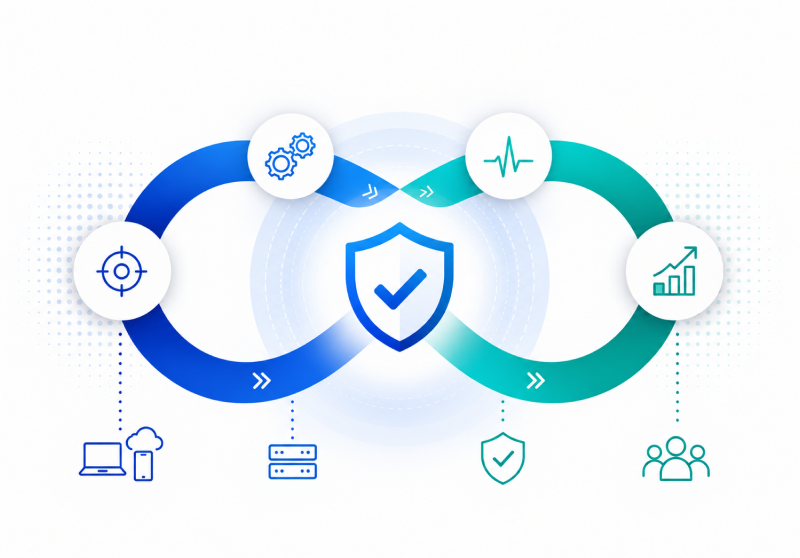
What Is Continuous Assurance in Cybersecurity?
Organizations invest heavily in security tools, compliance programs, and risk management processes. Yet many security leaders still struggle to answer a simple question: How do we know our controls are...

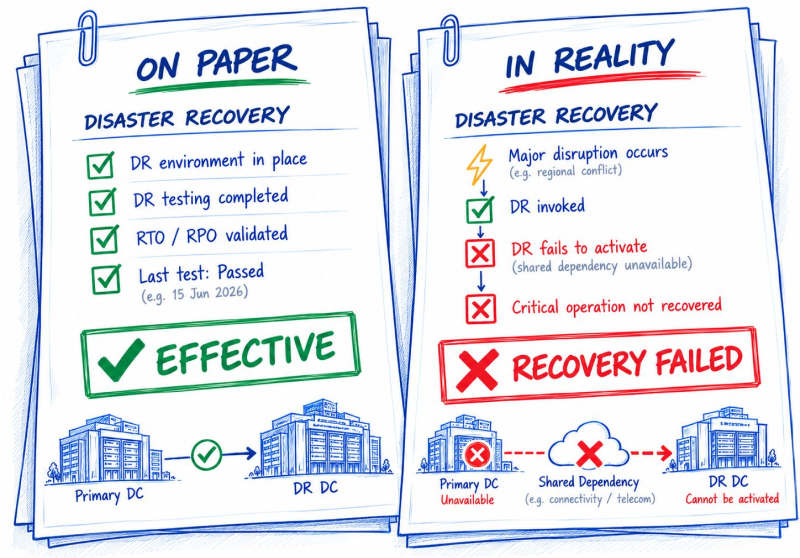
Why Compliance Doesn’t Equal Resilience

Introduction — When the Cloud Shakes, Compliance Crumbles When AWS’s US-east-1 region went dark, so did thousands of companies. These weren’t reckless startups or poorly managed systems; they were organizations...
Understanding RBI’s FREE-AI Framework – India’s Blueprint for Ethical AI Governance
Introduction There are two sides to a coin and AI is no exception. AI’s versatility is what makes it useful across a vast array of use cases. And yet, it...
DPDP Act & Rules 2025: The Compliance Readiness Checklist
As India accelerates toward becoming a digital-first economy, regulatory frameworks are increasingly shaping how enterprises manage data, AI, and security operations. At the heart of this transformation lies the Digital...

Why Has Risk Management Become Process Theater and How Do We Fix It?
Introduction — The Performance of Protection In too many organizations, risk management has become a performance rather than a practice. Every quarter, teams scramble to refresh risk registers, hold a...
Automating Security Questionnaires: How to Streamline Third-Party Risk Assessments
Third-party vendors play a critical role in modern business operations, but they also expand exposure to unpredictable risks. These risks often do not come under the enterprise purview and hence...

Unifying Remediation and Compliance with Integrated Incident Response
When it comes to responding to incidents, time is of the essence. The first few minutes often bring chaos—analysts must quickly switch between tools, evaluate the scope of impact, and...

The Rise of Adversarial AI Attacks & AI Security Best Practices to Stop them
It’s an undeniable fact that organizations of all sizes and industries have adopted AI at a colossal scale. While AI is revolutionizing how businesses operate, it also poses major challenges...

5 Reasons You Need to Move from Spreadsheets to GRC Tools for Compliance Management
For years, spreadsheets have been the go-to tool for managing governance, risk, and compliance (GRC). They’re familiar, easy to set up, and cost nothing more than a license most businesses...

The Definitive Guide to Automated Controls Testing
Every 39 seconds, a cyberattack strikes somewhere in the world (University of Maryland). At the same time, regulators are tightening rules across industries, from finance to healthcare. Leaders can no...