Featured
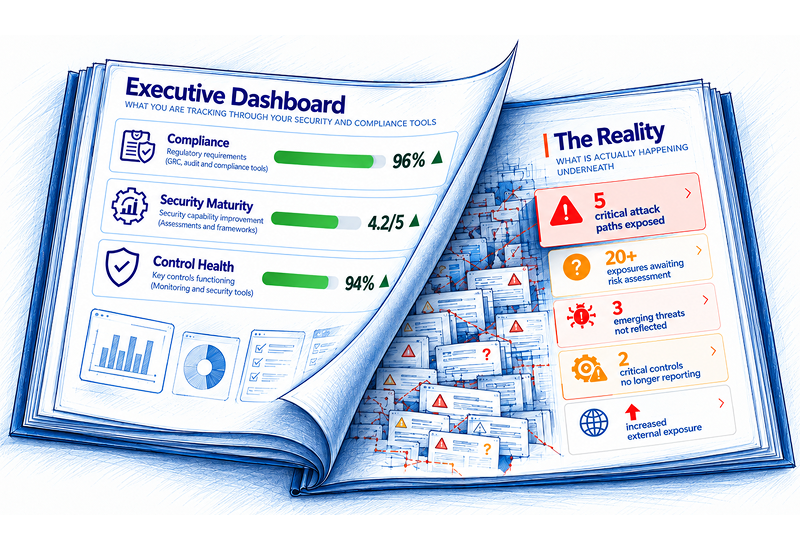
Why Green Security Dashboards Don’t Mean Lower Risk

Learn how compliance, security maturity, and continuously assessed business risk must work together to drive better security decisions. Compliance, security maturity, and risk assessment are three essential pillars of enterprise cybersecurity. Compliance measures adherence to defined requirements. Security maturity assesses organizational capabilities and opportunities for improvement. Risk assessment evaluates business exposure and the potential consequences of threats, considering existing safeguards. Yet an enterprise can achieve 96%...
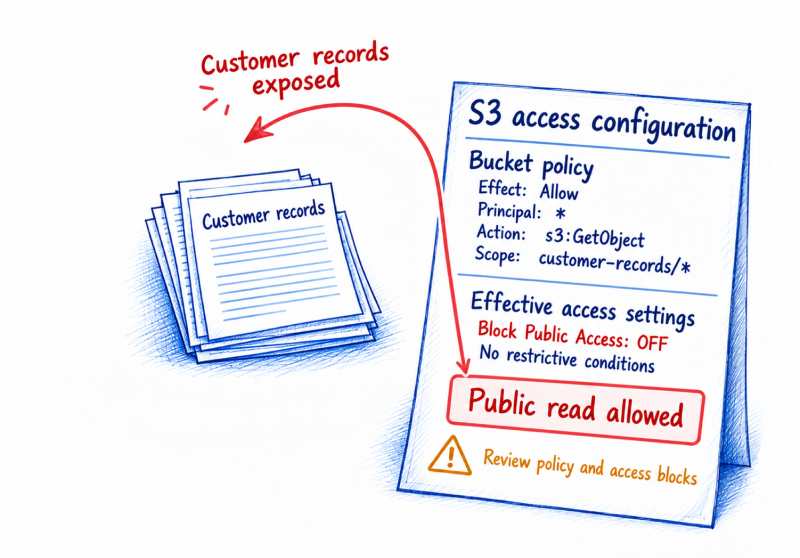
AWS Security Best Practices: Secure Multi-Account AWS Workloads With Guardrails

A practical guide to account boundaries, identity, guardrails, and operations in AWS.Build a secure foundation that lets workload teams move without relying on every account owner to remember every control....
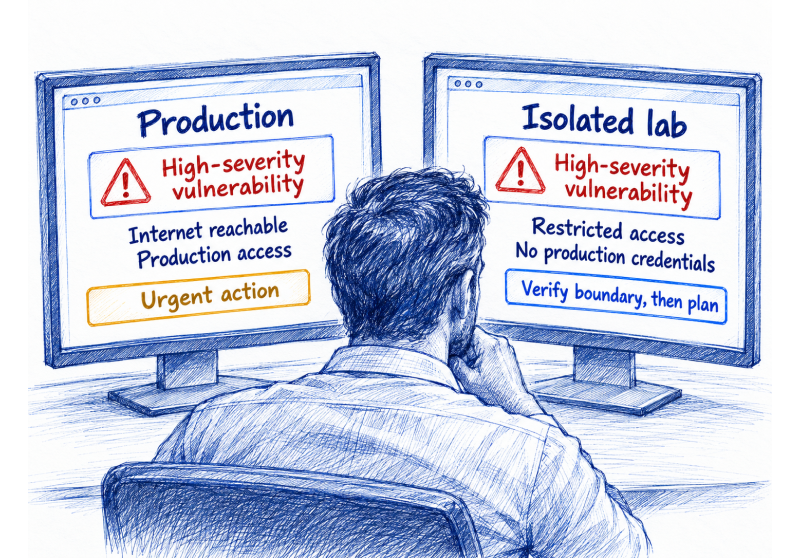
Risk-Based Vulnerability Management: Prioritize Exposure Beyond Scores

A practical guide for security and IT leaders deciding what to fix first.Use exploit evidence, real exposure, and business impact to create a defensible remediation queue. Risk-based vulnerability management is...
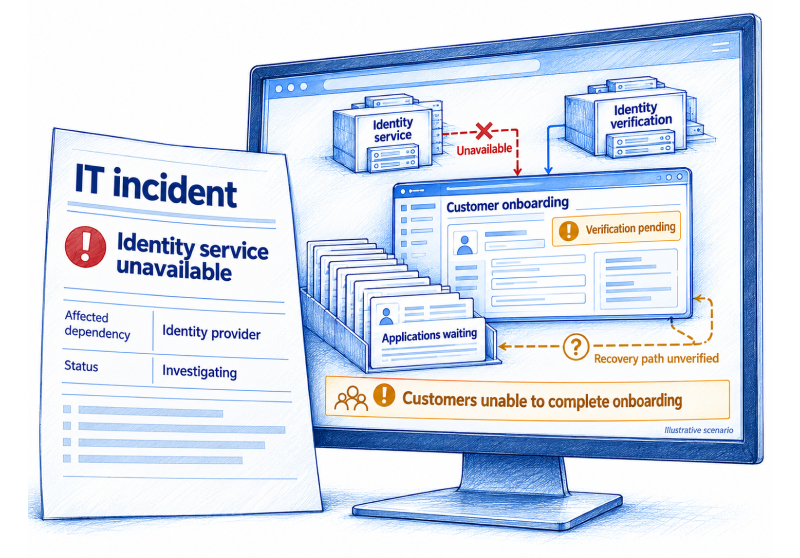
IT Risk Management in 2026: Connect Dependencies to Business Impact
Executives need to understand material changes, business exposure, decisions required and limits to confidence. Control owners need the affected populations, supporting evidence, unresolved gaps and deadlines. External readers need information...
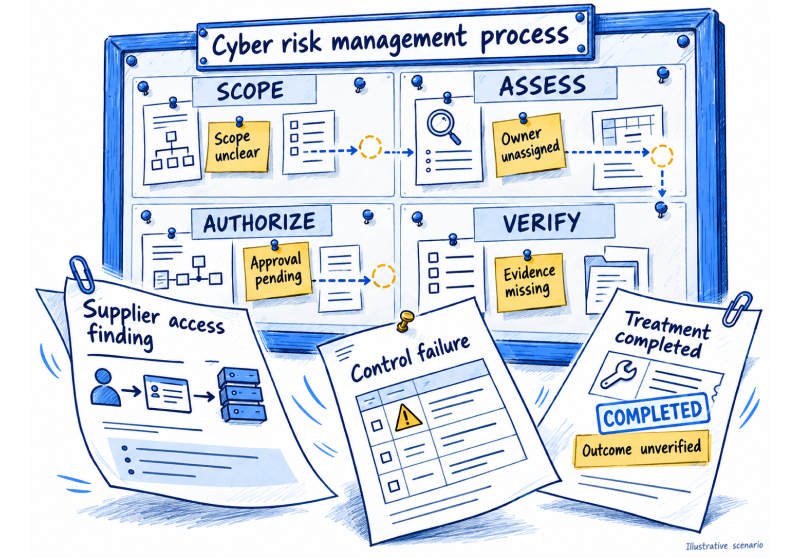
Cybersecurity Risk Management Process: A Practical Guide to Decisions
A cybersecurity risk management process should move from a defined business question to a decision, funded action, and evidence that the response worked.This guide gives security and GRC leaders a...
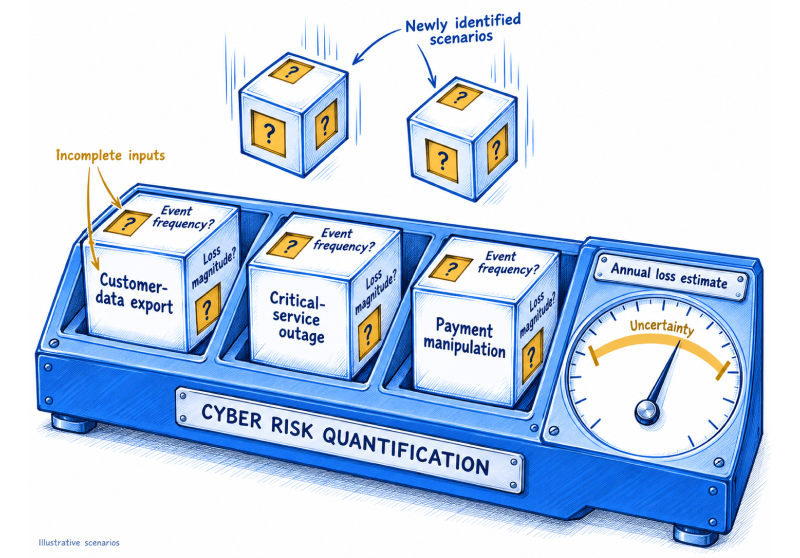
Quantitative Cyber Risk Analysis: Put Loss Ranges to Work in Security Decisions
Quantitative cyber risk analysis can help leaders compare security choices, but a precise-looking number is only as sound as its scenario and inputs. This guide shows how to model loss...
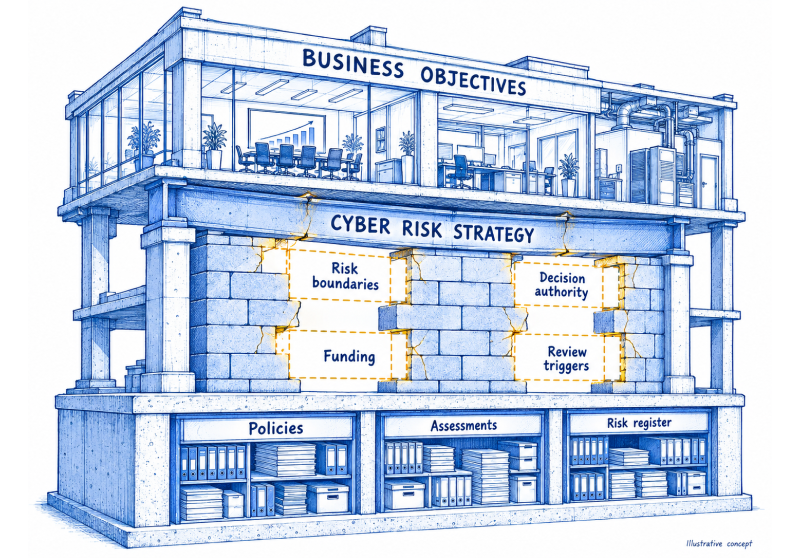
Cybersecurity Risk Management Strategy: Define Priorities, Authority and Limits
A cybersecurity risk management strategy should guide real choices about priorities, investment and acceptable exposure. This practical framework connects business objectives to decision authority, treatment and review. A cybersecurity risk...

Cybersecurity Risk Management Techniques: Choose the Right Method
Different risk questions need different methods. Compare practical techniques, see how two methods reach different decisions on the same supplier scenario, and choose an approach that fits the evidence and...
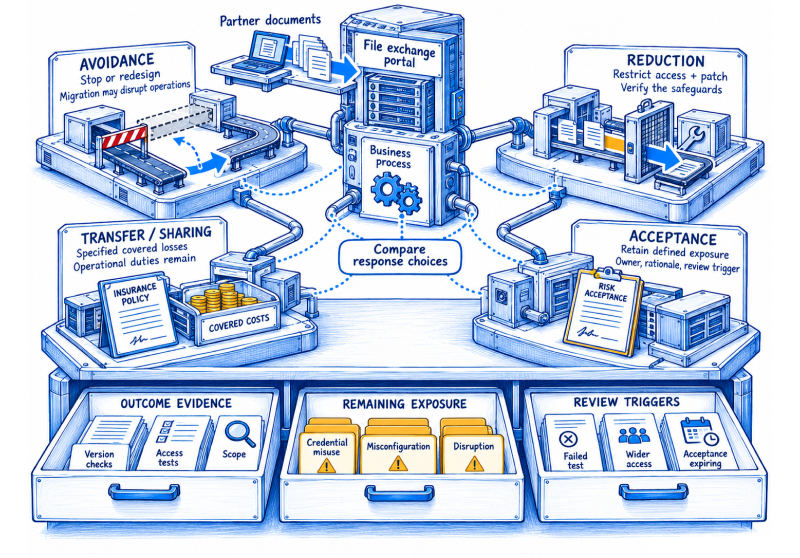
Risk Mitigation Strategies: Comparing Treatment Choices and Trade-offs in Practice
Risk mitigation is often used to mean reducing exposure, while risk treatment covers the full set of response choices. Learn how to compare avoidance, reduction, transfer and acceptance, then verify...
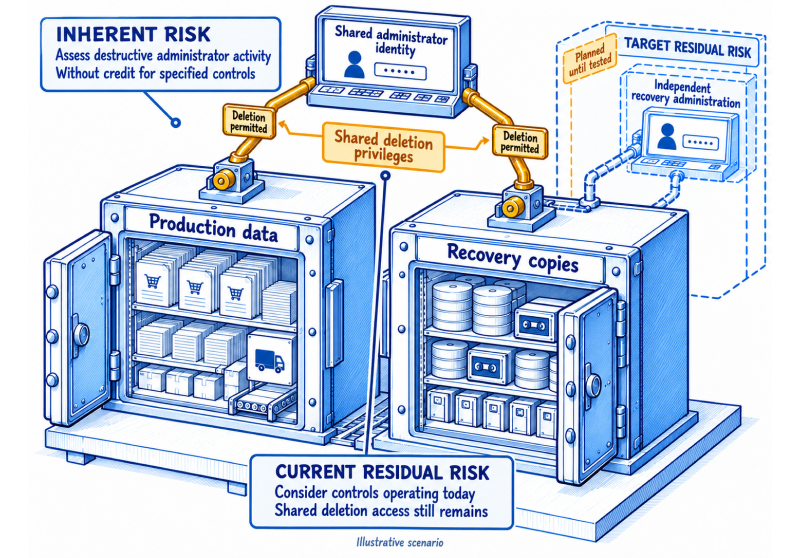
Inherent Risk vs Residual Risk: Use Control Evidence to Defend the Risk You Accept
Inherent risk vs residual risk is a comparison between exposure without specified risk responses and exposure after those responses. The distinction helps leaders decide what protection is necessary, what risk...
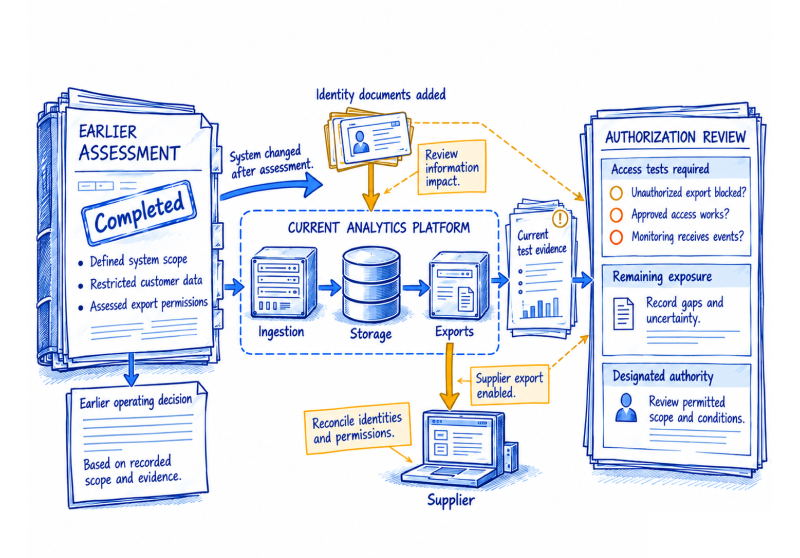
Risk Management Framework in Practice From System Scope to Decisions You Can Defend
A risk management framework connects system scope, control evidence and accountable decisions. Applying NIST RMF means establishing why a system can operate, what exposure remains and which changes require that...
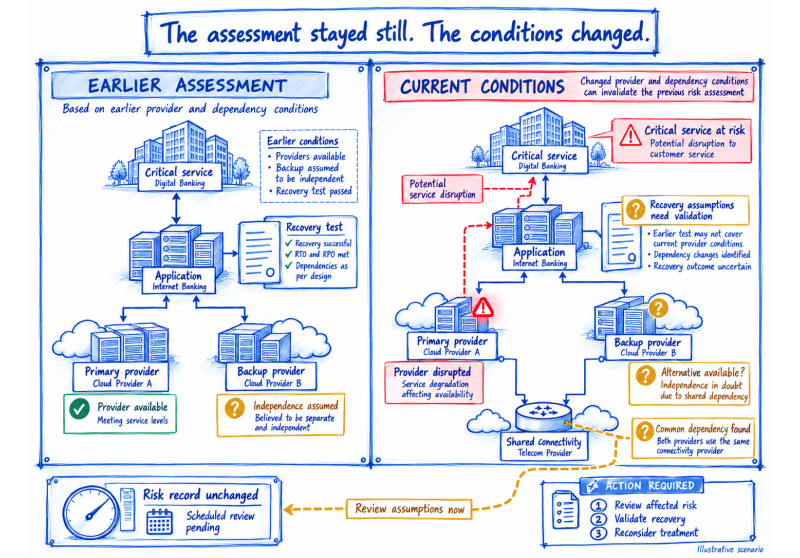
The UAE Risk Landscape Is Changing. Is Your Risk Strategy Keeping Up?

The article explains why UAE enterprises need to update risk assessments when threats, business dependencies, or control effectiveness change. It highlights how geopolitical uncertainty, cyber threats, and third-party disruptions can...
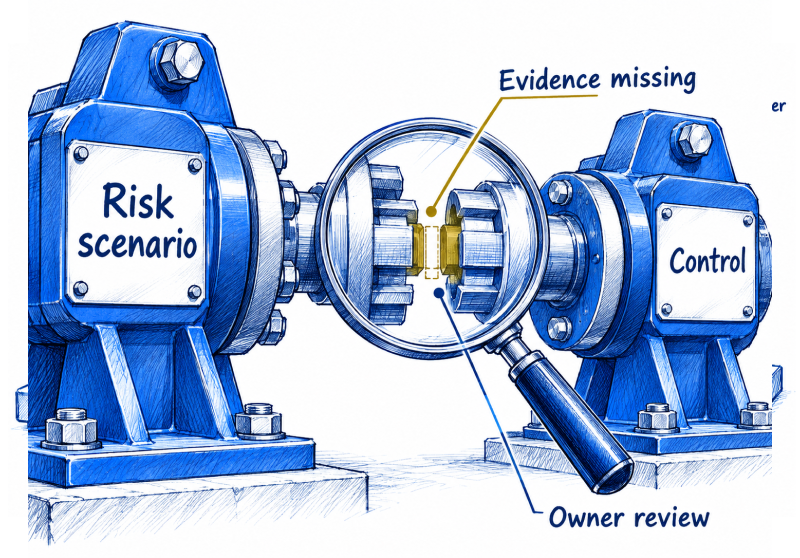
Risk Control Matrix: Connect Cybersecurity Risks to Controls and Useful Evidence
A risk control matrix makes clear how a defined business risk is addressed, who owns the response, and what evidence shows the control works. For cybersecurity and GRC teams, its...