Moving Beyond Static Risk Management Frameworks to Continuous Control Monitoring
In the Banking, Financial Services, and Insurance (BFSI) sector, many organizations still rely on traditional risk management frameworks like the Three Lines of Defense (3LOD). These models worked well in the past, but today, they often fall short. The risk landscape has changed. Threats are more dynamic, complex, and fast-paced. Yet, many companies still cling to outdated, linear methods.
A recent survey by Hitachi Vantara found that 84% of BFSI leaders worry that their current infrastructure could cause catastrophic data loss due to increasing AI demands. In the same survey, 48% of respondents listed data security as their biggest concern. These numbers highlight a major issue.
As organizations adopt AI, their static risk frameworks can’t keep up.
The solution is clear. We need to move from static frameworks to continuous monitoring. This proactive approach lets companies detect risks as they emerge. It also helps keep risk management aligned with the fast-changing business environment.
Stop Turning RISK Into A Dirty Four-Letter Word, Start Managing It With Confidence
Conventional risk management methods can’t keep up with the speed, complexity, and pressure that modern enterprise risk teams face. Many governance, risk, and compliance (GRC) programs focus so much on compliance that they miss the bigger picture of risk. They often rush to set up governance every time a new risk, technology, or threat appears.
Why We Need a Modern Approach to Risk Management
1. Risk is Dynamic: Risk is unpredictable and closely linked to every decision an organization makes. It’s hard to predict because it’s uncertain and interconnected. Risk comes from three main areas:
Systemic Risk: These are external risks that the organization can’t control, like climate change or geopolitical issues.
Ecosystem Risk: These risks come from external factors that the organization can influence to some extent, like third-party partnerships or supply chains.
Enterprise Risk: These are internal risks that the organization can manage directly, such as cybersecurity threats or financial risks.
2. Risk is Continuous: Risks and opportunities don’t stay the same—they change over time. Static, one-time risk assessments don’t reflect this reality. Instead, teams need a continuous process that tracks risk as plans evolve. They must identify risk context, assess risks as strategies change, make informed decisions, and monitor the outcomes regularly.
3. Cyber Risk is Business Risk: Today, technology powers almost every business process. That means cyber risk directly impacts the entire business. Usually, the chief risk officer or the enterprise risk function chooses the risk management model. But the CISO also needs to make sure it works for the organization’s cybersecurity needs. Without working together, security and risk teams end up living in fear between audits while preventable risks keep emerging.
To keep up with today’s challenges, we need a modern, dynamic approach to risk management. Moving beyond static models like 3LOD will help organizations stay proactive, rather than constantly reacting to new threats.
Why We Need Continuous Risk Monitoring
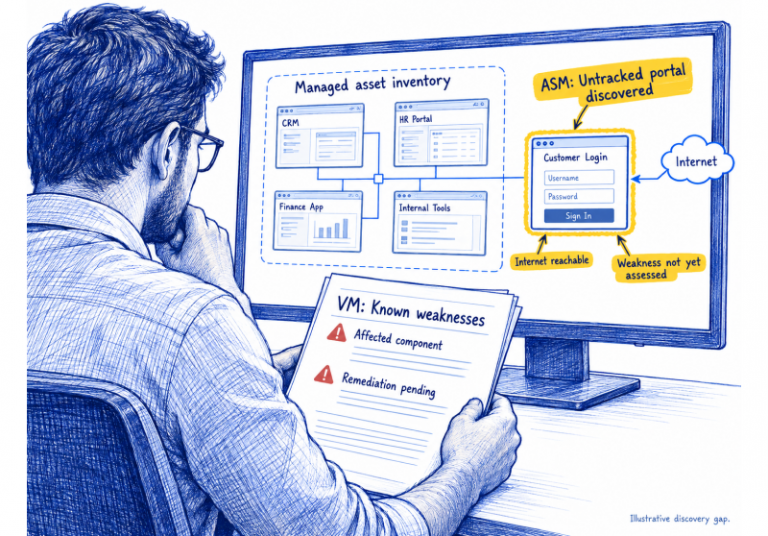
Many organizations still manage risks with outdated, fragmented methods. They conduct assessments, implement controls, fix gaps, and report progress. But without a structured, ongoing approach, these tasks remain isolated. This leads to a false sense of security, poor stakeholder engagement, and missed opportunities.
Why Continuous Monitoring Matters
Continuous risk monitoring takes a dynamic, real-time approach. Instead of assessing risks at fixed points, it tracks them as they evolve. This method breaks away from static frameworks by making risk management part of everyday operations.
1. Linking Strategy with Performance:
Risk management isn’t just about spotting threats. It’s about aligning risk strategies with business goals. Many teams struggle to connect these two because they’re complex and involve multiple parts of the organization. Without this link, leaders lack the insights they need to make informed choices. Continuous monitoring fills this gap by providing real-time data to support strategic and operational decisions.
2. Ensuring Flexibility Across Functions:
Traditional risk management often varies from one department to another, creating inconsistencies. In contrast, continuous monitoring offers a unified approach that works across different areas—like information security, compliance, and third-party management. This standardization builds a common risk language and reduces confusion.
3. Balancing Risk and Opportunity:
Managing risk shouldn’t just focus on avoiding problems. It should also help capture opportunities. Continuous monitoring supports this by evaluating risks in context. It guides decisions that foster growth and innovation while managing potential downsides. This approach shifts the mindset from merely reacting to actively seeking value.
4. Adapting to Change:
Business decisions rarely follow a straight path. Unexpected changes can introduce risks or create new opportunities. Continuous monitoring allows teams to stay agile. They can adjust strategies based on new data, rather than sticking rigidly to outdated plans. This flexibility helps prevent risks from escalating and keeps opportunities within reach.
The Continuous Risk Revolution is here
The way we think about risk management is changing. Organizations can’t afford to conduct risk assessments once or twice a year and hope they stay relevant. The risks evolve too quickly, driven by technology, global disruptions, and interconnected systems.
To manage this, what you need is a dynamic and continuous risk management framework – Continuous Control Monitoring.
What Is Continuous Control Monitoring (CCM)?
Continuous Control Monitoring (CCM) is a proactive approach to risk management that continuously monitors the effectiveness of internal controls within an organization. Unlike traditional risk management methods that evaluate controls at fixed intervals, CCM tracks them in real time, identifying issues as they occur.
CCM integrates with existing business processes and uses automation and data analytics to keep an ongoing check on control performance. It detects control failures, compliance breaches, and emerging risks as they happen, allowing for immediate corrective action.
Key Features of Continuous Control Monitoring:
Real-Time Monitoring:
CCM continuously gathers data from various sources, such as IT systems, financial transactions, and operational processes.
It analyzes this data in real time to detect anomalies or control failures.
Automation:
Automated tools monitor key risk indicators (KRIs) and compliance metrics without manual intervention.
Alerts and notifications are triggered when control thresholds are breached.
Integration with Business Systems:
CCM is embedded within existing processes, making it an integral part of daily operations.
It can pull data from ERP systems, network monitoring tools, and other data sources.
Data-Driven Insights:
Advanced analytics help identify patterns and trends, allowing for predictive risk management.
Dashboards and reports provide a clear view of control performance and compliance status.
Continuous Improvement:
By identifying control weaknesses as they occur, CCM supports a cycle of ongoing improvement.
Organizations can fine-tune their controls and adapt to new risks more efficiently.
How CCM Fits into Modern Risk Management:
Continuous Control Monitoring (CCM) helps modern risk management keep pace with digital innovation, AI, and agile business practice. Digital transformation brings new technologies, while AI introduces risks like algorithmic bias and data privacy issues. Agile methods focus on rapid iteration, making static controls impractical.
CCM tackles these challenges by monitoring controls in real time, giving organizations the flexibility to respond to new risks without slowing down innovation. This real-time approach helps teams spot issues early, keeping security and compliance up to date. By making risk monitoring a regular part of daily operations, CCM supports fast-paced business growth while keeping risks in check.
How Spog.AI Powers Continuous Control Monitoring
Spog.ai takes Continuous Control Monitoring (CCM) to the next level by automating and streamlining the entire process. It enables organizations to detect, assess, and respond to risks in real time, keeping them proactive rather than reactive. Here’s how Spog.ai makes CCM more effective:
1. Real-Time Monitoring and Alerts:
Continuous Tracking: Spog.ai constantly monitors critical controls, identifying any deviations or anomalies as they happen.
Automated Alerts: It sends instant notifications when control thresholds are breached, allowing teams to respond quickly.
Reduced Response Time: By detecting issues in real time, Spog.ai helps minimize potential damage and keeps business operations running smoothly.
2. Data Integration and Unified Risk View:
Seamless Data Collection: Spog.ai integrates with various business systems, pulling data from IT, finance, compliance, and operational sources.
Consolidated Dashboard: It presents a unified view of risk across the organization, reducing silos and promoting better collaboration.
Cross-Functional Insights: By merging data from different departments, Spog.ai provides comprehensive risk visibility.
Automated Reporting: It generates audit-ready reports, reducing manual effort and maintaining accuracy.
Proactive Gap Identification: The system flags compliance gaps as they arise, allowing teams to address them before they become critical.
Conclusion: Stay Ahead with Continuous Control Monitoring
Static, outdated risk management no longer works. Digital innovation, AI, and agile practices demand a proactive, resilient approach. Organizations must move beyond playing catch-up with emerging threats and adopt real-time, adaptive strategies.
Continuous Control Monitoring (CCM) offers a smarter way to manage risk. By automating real-time monitoring, integrating data from multiple functions, and embedding compliance into daily workflows, CCM keeps risks under control. Instead of just reacting, CCM anticipates and prevents disruptions before they escalate.
To stay resilient and agile, organizations need to embrace continuous, dynamic, and intelligent risk management. Spog.ai makes this possible with its advanced CCM capabilities—empowering teams to stay ahead of risks. Ready to transform your risk management approach? Learn more about Spog.ai today.